With IPL 2026 around the corner, mobile platforms must show they can deliver consistent results and clear business outcomes. Brands no longer accept reach numbers as proof of value.
Why Standard Video Falls Short Now
Mobile advertising has proven its relevance during IPL. The bigger question today is whether mobile can match television in driving actual results.
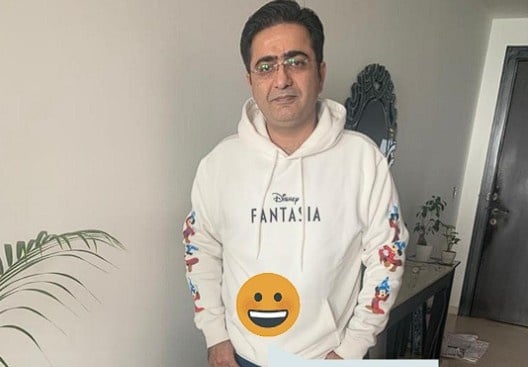
Nitin Sabharwal from Indexical explains that advertisers have moved past volume metrics. They want predictable scale and solid proof that mobile ads during live matches push viewers to take action.
Adding more pre-rolls or mid-rolls will not bring extra revenue. Vishal Singh from Globale Media notes that this inventory already exists and that pricing remains fixed. Brands need more than reach claims to increase their spending.
JioHotstar charges Rs 180-200 CPM for basic mobile placements and up to Rs 340 CPM for premium matches. These rates stay below television prices, but brands expect more than cost savings.
Singh believes the real growth lies in formats that let brands become part of live moments rather than interrupt them. Interactive overlays, contextual placements triggered by match events, and app-based formats that enable instant user responses are attracting growing interest.
Sabharwal agrees but cautions that innovation alone will not justify higher rates. These formats succeed only when they consistently reach tens of millions of quality users per match with strong data support.
Innovation Must Match Real Mobile Behavior
Vijay Shenoy from LS Digital Group argues that mobile growth requires alignment with actual fan behavior. Fans do more than watch matches on their phones. They jump between live streams, scorecards, fantasy apps, messaging platforms, and shopping sites.
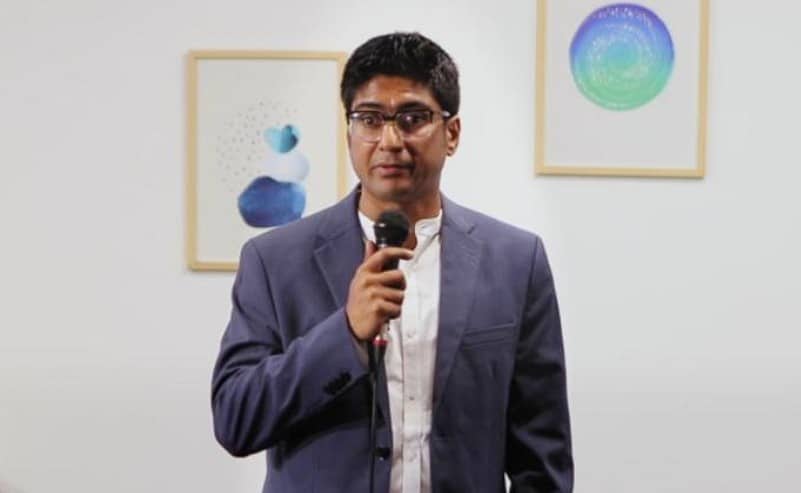
Shoppable ads, click-to-WhatsApp features, and moment-triggered units that appear after a wicket or six fit this behavior well. Digital audiences reached 650 million during IPL 2025. Publishers must deliver 70 to 100 million unique mobile viewers across a season to command premium rates.
Sabharwal notes that the mobile device serves as both a viewing screen and an action screen. When ads let users respond immediately through browsing, buying, or signing up, mobile earns its place in serious IPL budgets.
Context and Placement Beat Novelty
Bharat Subramanian from BigTrunk Communications stresses that placement environments matter as much as creative innovation. High-attention spots within live scorecards, player stats, prediction features, and multi-angle feeds outperform standalone video because they show up during peak engagement.
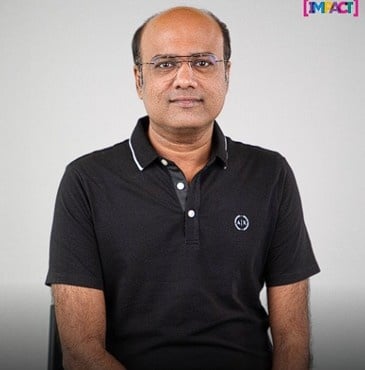
Brands pay more when outcomes stay reliable rather than experimental. Fantasy gaming platforms once led mobile IPL advertising with real-time formats. Their reduced presence created a demand gap. Sabharwal sees this as both a challenge and a chance for growth.
Many advertisers now allocate 40-50% of their additional IPL budgets to mobile programmatic and in-app placements. Categories like quick commerce, FMCG, and e-commerce lead this shift.