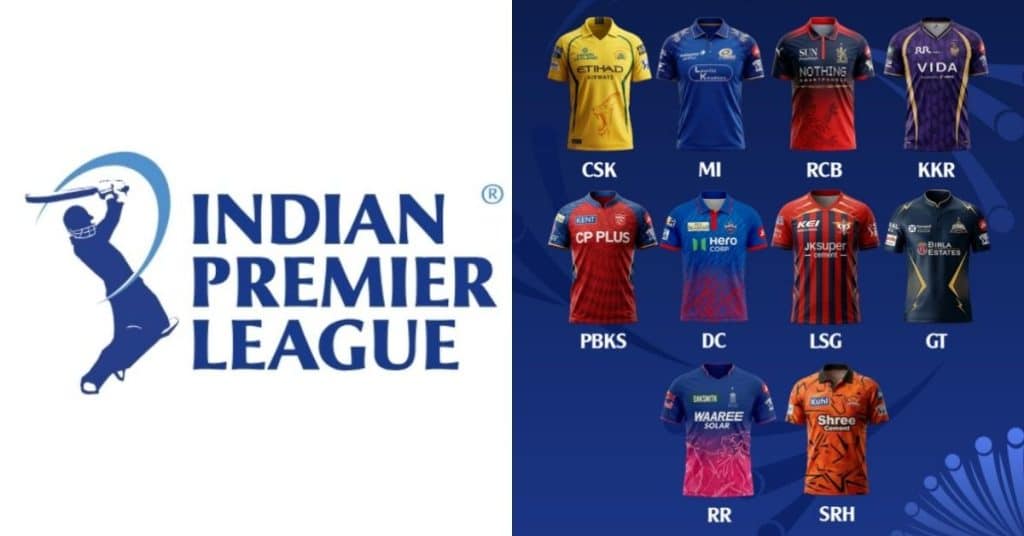
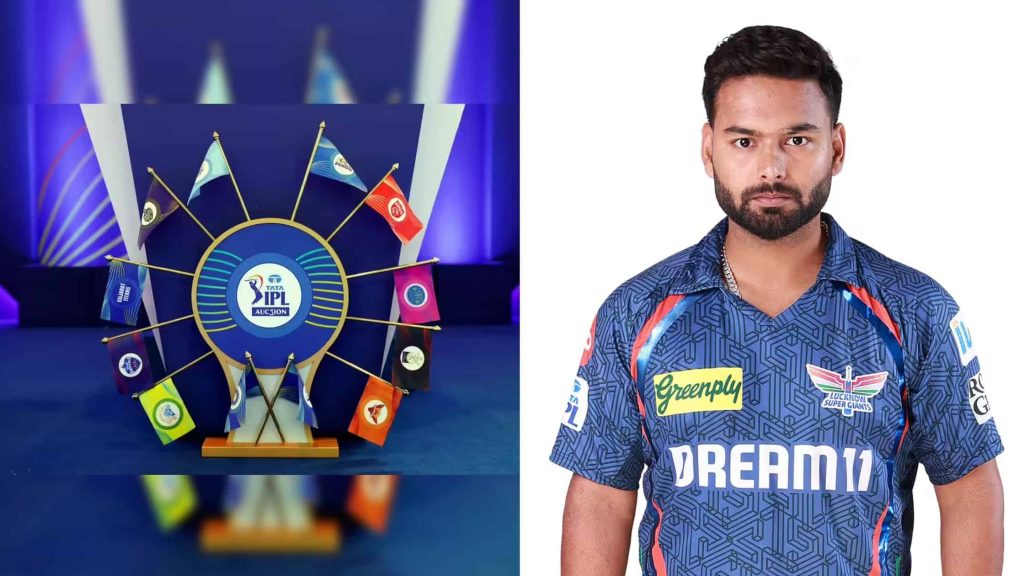
IPL salary in 2026 ranges from ₹30 lakh for uncapped rookies to a record ₹27 crore for Rishabh Pant, making the Indian Premier League the richest cricket league in the world.
Additionally, every playing member now receives a match fee of ₹7.5 lakh per game, a first-of-its-kind move by the BCCI. This guide breaks down every aspect of the IPL 2026 salary structure, from auction prices to team-wise purse allocation, so you have every number in one place.
How the IPL Salary Structure Works in 2026
The IPL salary structure is built on three pillars: the auction purse, incremental performance pay, and match fees. Together, these form the total salary cap for each franchise.
For IPL 2026, the BCCI set the auction purse at ₹125 crore per team However, the total salary cap, which includes performance pay and match fees, stands at ₹151 crore per franchise.
To put the growth in context, the total salary cap was ₹110 crore in 2024. It jumped to ₹146 crore in 2025, then to ₹151 crore in 2026, and will rise further to ₹157 crore in 2027.
IPL Salary Cap Growth: 2024 to 2027
| Season | Total Salary Cap | Auction Purse |
|---|---|---|
| IPL 2024 | ₹110 Crore | ₹100 Crore |
| IPL 2025 | ₹146 Crore | ₹120 Crore |
| IPL 2026 | ₹151 Crore | ₹125 Crore |
| IPL 2027 | ₹157 Crore | ₹125 Crore |
So, the auction purse is what teams spend on buying or retaining players. Meanwhile, the remaining cap covers bonuses and the newly introduced match fees.
IPL Match Fees: How Much Do Players Earn Per Game?
Before 2025, IPL players had no match fee. They earned only their contracted auction amount, regardless of how many games they played.
That changed in the 2025-27 cycle. The BCCI introduced a match fee of ₹7.5 lakh for every player in the playing XI, including the Impact Player. This amount is paid on top of the player’s contracted salary.
So, a player who features in all 14 league-stage matches earns an additional ₹1.05 crore just from match fees. If the team reaches the final, that number could go as high as ₹1.275 crore across 17 matches.
Consequently, even a player bought at the minimum base price of ₹30 lakh can take home over ₹1.35 crore in a full season. This move ensures that squad players are not simply warming benches without reward.
Highest Paid Players in IPL 2026: Top 15 Salaries
Rishabh Pant tops the IPL 2026 salary list at ₹27 crore, retained by Lucknow Super Giants as captain, wicketkeeper, and batting anchor. Meanwhile, Cameron Green became the most expensive auction purchase ever at ₹25.20 crore, although his actual payout is capped at ₹18 crore due to the overseas salary cap rule.
| # | Player | Salary | Team | Type |
|---|---|---|---|---|
| 1 | Rishabh Pant | ₹27 Crore | LSG | Retention |
| 2 | Shreyas Iyer | ₹26.75 Crore | PBKS | Retention |
| 3 | Cameron Green | ₹25.20 Crore | KKR | Auction |
| 4 | Heinrich Klaasen | ₹23 Crore | SRH | Retention |
| 5 | Virat Kohli | ₹21 Crore | RCB | Retention |
| 6 | Nicholas Pooran | ₹21 Crore | LSG | Retention |
| 7 | Sanju Samson | ₹18 Crore | CSK | Trade |
| 8 | Jasprit Bumrah | ₹18 Crore | MI | Retention |
| 9 | Rashid Khan | ₹18 Crore | GT | Retention |
| 10 | Yashasvi Jaiswal | ₹18 Crore | RR | Retention |
| 11 | Ruturaj Gaikwad | ₹18 Crore | CSK | Retention |
| 12 | Arshdeep Singh | ₹18 Crore | PBKS | Retention |
| 13 | Matheesha Pathirana | ₹18 Crore | KKR | Auction |
| 14 | Yuzvendra Chahal | ₹18 Crore | PBKS | Retention |
| 15 | Axar Patel | ₹16.50 Crore | DC | Retention |
*Cameron Green’s auction bid was ₹25.20 crore, but his actual salary is capped at ₹18 crore due to the overseas player salary cap. The remaining ₹7.20 crore goes to the BCCI’s player development fund.
Notice a pattern? Seven of the top 15 earn exactly ₹18 crore. That is because ₹18 crore was the highest retention price slab set by the BCCI for IPL 2025-27. As a result, most franchise-favourite players land at that exact figure.
IPL 2026 Auction Results: Top 10 Most Expensive Buys
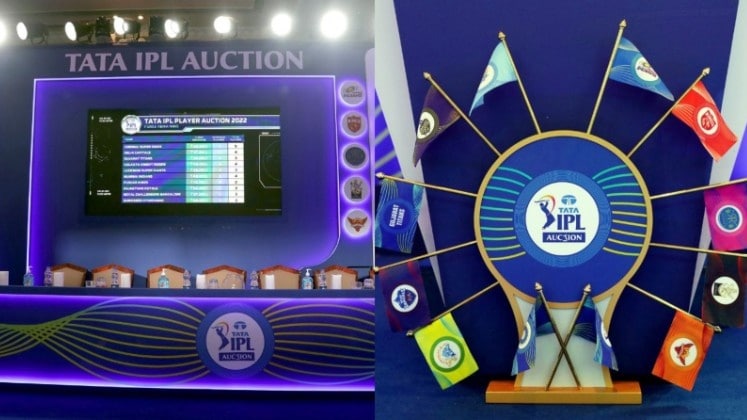
The IPL 2026 mini auction took place on December 16, 2025, at the Etihad Arena, Abu Dhabi. A total of 77 players were bought from a pool of 369 shortlisted names, with franchises spending a combined ₹215.45 crore.
| # | Player | Price | Team | Country | Role |
|---|---|---|---|---|---|
| 1 | Cameron Green | ₹25.20 Cr | KKR | Australia | All-rounder |
| 2 | Matheesha Pathirana | ₹18 Cr | KKR | Sri Lanka | Fast Bowler |
| 3 | Prashant Veer | ₹14.20 Cr | CSK | India | All-rounder |
| 4 | Kartik Sharma | ₹14.20 Cr | CSK | India | WK-Batter |
| 5 | Liam Livingstone | ₹13 Cr | SRH | England | All-rounder |
| 6 | Mustafizur Rahman | ₹9.20 Cr | KKR | Bangladesh | Fast Bowler |
| 7 | Josh Inglis | ₹8.60 Cr | LSG | Australia | WK-Batter |
| 8 | Auqib Nabi Dar | ₹8.40 Cr | DC | India | Fast Bowler |
| 9 | Ravi Bishnoi | ₹7.20 Cr | RR | India | Leg-spinner |
| 10 | Jason Holder | ₹7 Cr | GT | West Indies | All-rounder |
Cameron Green broke Mitchell Starc’s previous record of ₹24.75 crore (set in 2024) to become the most expensive overseas player in IPL history. KKR clearly went all-in, also picking up Matheesha Pathirana for ₹18 crore in the same auction.
Meanwhile, the biggest surprise was CSK investing ₹14.20 crore each on two uncapped players. Both Prashant Veer and Kartik Sharma shattered Avesh Khan’s previous uncapped record of ₹10 crore. CSK’s strategy signals a clear pivot from their famous ‘Dad’s Army’ approach towards youth.
Highest Paid Player from Each IPL 2026 Team
Every franchise has a different salary distribution. Some teams invested heavily in one marquee player, while others spread the wealth more evenly. Here is the highest-paid player from each of the 10 IPL teams in 2026.
| Team | Player | Salary | Role |
|---|---|---|---|
| LSG | Rishabh Pant | ₹27 Crore | WK-Batter / Captain |
| PBKS | Shreyas Iyer | ₹26.75 Crore | Batter / Captain |
| KKR | Cameron Green | ₹25.20 Crore* | All-rounder |
| SRH | Heinrich Klaasen | ₹23 Crore | WK-Batter |
| RCB | Virat Kohli | ₹21 Crore | Batter |
| CSK | Ruturaj Gaikwad / Sanju Samson | ₹18 Crore | Batter / WK-Batter |
| MI | Jasprit Bumrah | ₹18 Crore | Fast Bowler |
| GT | Rashid Khan | ₹18 Crore | Leg-spinner |
| RR | Yashasvi Jaiswal | ₹18 Crore | Batter |
| DC | Axar Patel | ₹16.50 Crore | All-rounder / Captain |
Interestingly, LSG pays almost ₹10 crore more to its top earner than DC does. That is a huge gap within a league where every team operates under the same salary cap.
How Are IPL Player Salaries Decided?
If you have ever wondered why Rishabh Pant earns ₹27 crore while a promising youngster starts at ₹30 lakh, the answer lies in three mechanisms.
1. The IPL Auction
The primary salary-setting mechanism is the IPL auction. Every player registers with a base price, which is the minimum amount they are willing to accept. For the IPL 2026 mini auction, the base price ranged from ₹30 lakh to ₹2 crore.
Franchises then bid competitively. A player’s final price depends on demand, team needs, and how desperately two or more franchises want the same player. That is why Cameron Green’s base price of ₹2 crore spiralled to ₹25.20 crore in a bidding war between KKR and CSK.
2. Player Retention
Before the auction, teams can retain players from their existing squad. The BCCI sets retention price slabs, and the cost is deducted from the team’s auction purse.
For the 2025-27 cycle, the highest retention slab is ₹18 crore. However, if a player was bought for more than ₹18 crore at the 2025 mega auction (like Pant at ₹27 crore or Iyer at ₹26.75 crore), that original amount carries forward.
In total, 173 players were retained by the 10 teams ahead of the IPL 2026 auction.
3. Trades Between Franchises
Teams can also acquire players through trades. For instance, Sanju Samson was traded from Rajasthan Royals to Chennai Super Kings at ₹18 crore, while Ravindra Jadeja moved to RR in the same swap deal.
Traded players retain their contracted salary unless renegotiated. Consequently, a player’s salary in the IPL is not just about talent. It is a combination of market demand, franchise strategy, and negotiation.
Overseas Player Salary Cap: New Rule for IPL 2026
One of the biggest rule changes for IPL 2026 is the overseas player salary cap. Previously, there was no limit on how much an overseas player could earn at auction.
Now, the maximum salary an overseas player can receive is capped at the lower of two values: the highest retention price (₹18 crore) or the highest bid at the 2025 mega auction. Since Rishabh Pant’s ₹27 crore was the highest 2025 bid, the effective overseas cap is ₹18 crore.
So, even though KKR bid ₹25.20 crore for Cameron Green, Green will only receive ₹18 crore. The remaining ₹7.20 crore goes directly to the BCCI’s player development programme. The team’s purse is still deducted at ₹25.20 crore, though. Essentially, KKR pays the full bill, but Green only sees part of it.
IPL 2026 Team-wise Purse Breakdown: Before and After Auction
Each team started with a purse of ₹125 crore, reduced by the cost of retained players. Here is how every franchise stood before and after the IPL 2026 mini auction.
| Team | Pre-Auction Purse | Slots | Overseas Slots | Purse Left | Squad Size | Players Bought |
|---|---|---|---|---|---|---|
| KKR | ₹64.30 Cr | 13 | 6 | ₹0.80 Cr | 25 | 13 |
| CSK | ₹43.40 Cr | 9 | 4 | ₹1.45 Cr | 25 | 9 |
| SRH | ₹25.50 Cr | 10 | 2 | ₹0.80 Cr | 25 | 7 |
| DC | ₹21.80 Cr | 8 | 5 | ₹0.80 Cr | 25 | 8 |
| RR | ₹22.95 Cr | 6 | 4 | ₹2.15 Cr | 25 | 4 |
| RCB | ₹16.40 Cr | 8 | 3 | ₹0.70 Cr | 25 | 6 |
| GT | ₹12.90 Cr | 5 | 4 | ₹1.95 Cr | 25 | 5 |
| PBKS | ₹11.50 Cr | 4 | 2 | ₹0.50 Cr | 25 | 4 |
| LSG | ₹14.30 Cr | 7 | 3 | ₹0.45 Cr | 25 | 6 |
| MI | ₹2.75 Cr | 5 | 1 | ₹0.25 Cr | 25 | 5 |
KKR entered with the fattest wallet at ₹64.30 crore and made the most aggressive moves, buying 13 players. On the other end, MI had just ₹2.75 crore but still managed to snag Quinton de Kock at his base price of ₹1 crore. That is smart shopping on a tight budget.
IPL Salary Brackets: From Uncapped Players to Star Players
Not every cricketer earns in crores. The IPL salary structure has distinct brackets that reflect a player’s experience, international status, and market demand.
| Category | Salary Range | Base Price | Examples (IPL 2026) |
|---|---|---|---|
| Star Indian Players | ₹15-27 Crore | ₹2 Crore | Pant, Iyer, Kohli, Bumrah |
| Star Overseas Players | ₹13-25 Crore | ₹2 Crore | Green, Klaasen, Pathirana |
| Mid-tier Capped Players | ₹4-12 Crore | ₹1-2 Crore | Venkatesh Iyer, Bishnoi |
| Rising Uncapped Indians | ₹3-14.20 Crore | ₹30 Lakh | Prashant Veer, Kartik Sharma |
| Overseas Role Players | ₹1-4 Crore | ₹75 L-2 Cr | Wanindu Hasaranga, de Kock |
| Domestic Squad Players | ₹30 L-1 Crore | ₹30 Lakh | Kartik Tyagi, Daksh Kamra |
The wild card in 2026? Uncapped Indian players. Historically, they were bought for pocket change. However, CSK’s willingness to spend ₹14.20 crore on unproven talent has rewritten the playbook for future auctions.
How Much Do IPL Players Actually Take Home?
The contracted IPL salary is not the final take-home amount. Several deductions and additions apply.
Tax Deductions
All IPL salaries are taxable under the Indian Income Tax Act. Indian players fall under the standard income tax slabs, which means the top bracket of 30% applies to earnings above ₹15 lakh. Additionally, surcharge and cess push the effective rate even higher for crore-level earners.
For overseas players, Tax Deducted at Source (TDS) is applied before payment. Their franchises handle the compliance, and the tax rate depends on India’s DTAA (Double Taxation Avoidance Agreement) with the player’s home country.
Additional Earnings on Top of Salary
On top of the contracted salary, players earn from multiple sources that significantly boost their total income.
Match fees add ₹7.5 lakh per game. Over a full season, that can be ₹1.05 crore or more.
Performance bonuses are awarded for achievements like Man of the Match, Orange Cap (most runs), or Purple Cap (most wickets). These bonuses vary by franchise but can range from ₹1-5 lakh per award.
Brand endorsements often dwarf the IPL salary itself. For instance, Virat Kohli earns an estimated ₹21 crore from RCB, but his endorsement income reportedly runs into hundreds of crores annually. Similarly, MS Dhoni continues to command massive brand deals despite being in the twilight of his career.
IPL 2026 Squad Rules: Composition and Limits
Every IPL franchise must follow specific squad composition rules. Here is a quick summary of the key regulations for IPL 2026.
| Rule | Detail |
|---|---|
| Maximum Squad Size | 25 players |
| Minimum Squad Size | 18 players |
| Maximum Overseas Players | 8 per squad |
| Overseas Players in Playing XI | Maximum 4 per match |
| Auction Purse per Team | ₹125 Crore |
| Total Salary Cap | ₹151 Crore (including match fees and performance pay) |
| Match Fee | ₹7.5 Lakh per player per match |
| Minimum Base Price (Auction) | ₹30 Lakh |
| Maximum Base Price (Auction) | ₹2 Crore |
| Overseas Player Salary Cap | ₹18 Crore (effective cap for 2026) |
For the first time in IPL history, all 10 franchises have exactly 25 players in their squad for IPL 2026. That means no team left any roster spot unfilled.
Most Expensive Players in IPL Auction History: All-Time Records
The IPL auction has a long history of jaw-dropping bids. Here are the top 10 most expensive buys in IPL auction history, updated to include the 2026 mini auction.
| # | Player | Price | Year | Team | Country |
|---|---|---|---|---|---|
| 1 | Rishabh Pant | ₹27 Crore | 2025 | LSG | India |
| 2 | Shreyas Iyer | ₹26.75 Crore | 2025 | PBKS | India |
| 3 | Cameron Green | ₹25.20 Crore | 2026 | KKR | Australia |
| 4 | Mitchell Starc | ₹24.75 Crore | 2024 | KKR | Australia |
| 5 | Heinrich Klaasen | ₹23 Crore | 2025 | SRH | South Africa |
| 6 | Virat Kohli | ₹21 Crore | 2025 | RCB | India |
| 7 | Pat Cummins | ₹20.50 Crore | 2025 | SRH | Australia |
| 8 | Nicholas Pooran | ₹21 Crore | 2025 | LSG | West Indies |
| 9 | KL Rahul | ₹14 Crore | 2025 | DC | India |
| 10 | Matheesha Pathirana | ₹18 Crore | 2026 | KKR | Sri Lanka |
Notice that KKR appears three times in the top 10, including both the 2024 and 2026 records for overseas players. Clearly, the franchise believes in spending big on international talent.
IPL Salary vs Other T20 Leagues: A Comparison
The financial gap between the IPL and other T20 leagues is staggering. Here is how the numbers stack up.
| League | Team Purse | Highest Salary | Match Fee | Media Rights |
|---|---|---|---|---|
| IPL (India) | ₹125 Crore | ₹27 Crore | ₹7.5 Lakh | ₹48,390 Crore |
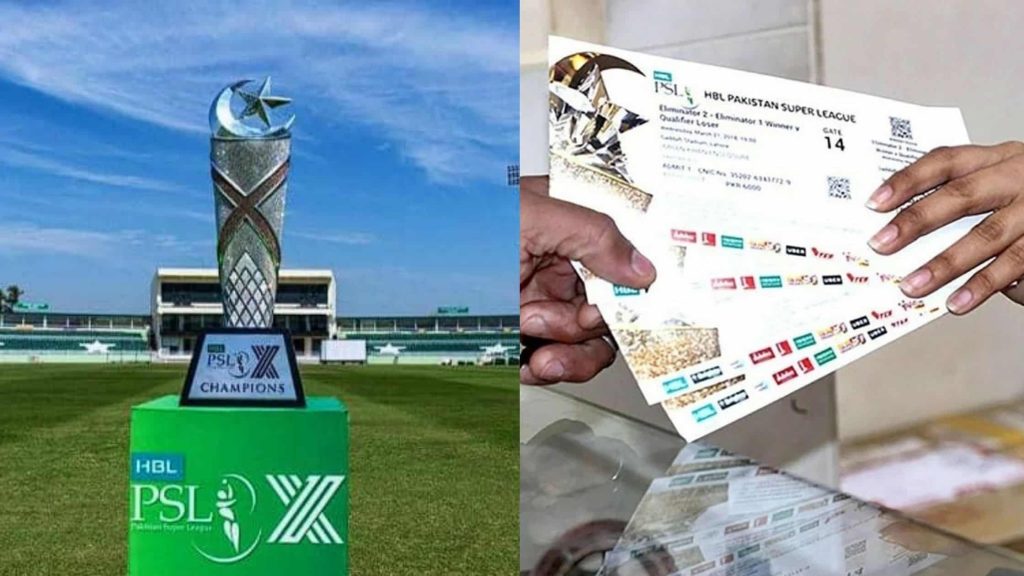
| PSL (Pakistan) | ~₹14.5 Crore | ~₹4.5 Crore | N/A | ~₹670 Crore |
| BBL (Australia) | ~₹8 Crore | ~₹1.5 Crore | N/A | ~₹500 Crore |
| The Hundred (UK) | ~₹6 Crore | ~₹1 Crore | N/A | ~₹400 Crore |
| CPL (Caribbean) | ~₹5 Crore | ~₹80 Lakh | N/A | ~₹150 Crore |
The IPL’s media rights deal alone (₹48,390 crore for 2023-2027) is worth roughly 72 times the PSL’s new broadcast deal. That revenue gap explains why one IPL player can earn more than an entire PSL team’s budget.
Uncapped Player Salaries in IPL 2026: The New Gold Rush
The IPL 2026 auction was a landmark event for uncapped players. The numbers speak for themselves.
Prashant Veer entered the auction with a base price of just ₹30 lakh. He walked out with a ₹14.20 crore contract from CSK. That is a 4,633% increase from his base price. The 20-year-old left-arm spin all-rounder had impressed with consistent domestic performances in the UP T20 League and Syed Mushtaq Ali Trophy.
Kartik Sharma, a 19-year-old wicketkeeper-batter from Rajasthan, matched Veer’s price at ₹14.20 crore. Both players smashed Avesh Khan’s previous uncapped record of ₹10 crore from 2023.
Other notable uncapped buys included Auqib Nabi Dar (₹8.40 crore to DC) and Shivang Kumar (₹30 lakh to SRH). The gap between these figures shows how wildly uncapped prices can swing based on franchise strategy.
How Does the IPL Auction Process Work?
For those unfamiliar with the bidding mechanics, here is a step-by-step breakdown of how the IPL auction operates.
First, players register for the auction with a chosen base price. For IPL 2026, 1,355 players registered, of which 369 were shortlisted by the BCCI.
Next, the auctioneer (Mallika Sagar, for the third consecutive year) presents players set by set, grouped by role. There is no marquee set in a mini auction, unlike mega auctions.
Franchises raise their paddles to bid. The bidding continues until only one team remains. That team wins the player at the final bid price.
After all sets are completed, there is an accelerated round where unsold players can be re-nominated by teams. Some bargains emerge here, as Sarfaraz Khan was picked up by CSK in the accelerated round for just ₹75 lakh.
One key difference for the 2026 mini auction: there was no Right to Match (RTM) card. This is only available during mega auctions, which happen once every three years.
Key Trends in IPL 2026 Player Salaries
Several interesting patterns emerged from the IPL 2026 salary distribution.
All-rounders Command Premium Prices
Six of the top 10 auction buys in 2026 are either all-rounders or multi-skilled players. Cameron Green, Liam Livingstone, Jason Holder, and Prashant Veer all offer both batting and bowling. Franchises clearly pay more for players who fill two roster spots in one.
Wicketkeeper-Batters Are Extremely Valuable
Three of the top six highest-paid players in IPL 2026 are wicketkeeper-batters: Pant, Klaasen, and Samson. A keeper who can also bat aggressively essentially serves a dual role, and teams are willing to pay handsomely for that combination.
Captaincy Adds a Salary Premium
Five of the top 10 earners are also team captains or former captains. Pant (LSG), Iyer (PBKS), Kohli (former RCB captain), and Axar Patel (DC) all hold or have held leadership roles. Captaincy responsibility adds an estimated ₹2-4 crore premium on top of base cricketing value.
Indian Players Dominate the Retention Market
Of the 173 players retained, the overwhelming majority were Indian. Since overseas players can only fill 8 of 25 squad slots, Indian talent naturally commands a scarcity premium. That is why players like Ruturaj Gaikwad and Yashasvi Jaiswal earn ₹18 crore despite having shorter international careers than many overseas stars.
Notable Unsold Players at IPL 2026 Auction
Not every big name found a buyer. The IPL 2026 auction saw 79 players go unsold, including several recognisable names.
Jake Fraser-McGurk (released by DC), Jonny Bairstow, Devon Conway, Daryl Mitchell, Alzarri Joseph, Gus Atkinson, Spencer Johnson, and Deepak Hooda all went unsold.
Meanwhile, Steve Smith, Glenn Maxwell, and several other big names chose not to register for the IPL 2026 auction at all, opting instead for other leagues or workload management.
Going unsold does not mean these players are finished. Mini auctions favour teams with specific needs. If your skill set does not match any team’s remaining slots, even talent is not enough.
IPL 2026 Bans: Harry Brook and the Withdrawal Rule
The BCCI introduced stricter rules around player availability. If an overseas player registers for the mega auction, gets bought, and then withdraws without a legitimate reason, they face a two-year IPL ban.
Harry Brook, the England captain, is the most high-profile casualty of this rule. He withdrew from the IPL after being purchased at the 2025 mega auction and is consequently banned from the 2026 and 2027 mini auctions.
Similarly, overseas players who did not register for the 2025 mega auction are ineligible for subsequent mini auctions. This rule prevents players from cherry-picking which IPL seasons to participate in.
Where Does IPL’s Money Come From?
The massive salaries in the IPL are funded by an equally massive revenue engine.
The media rights deal for 2023-2027 was sold for approximately ₹48,390 crore, which works out to roughly ₹118 crore per match. This makes the IPL the second-richest league in the world on a per-game media-rights basis, behind only the NFL.
On top of media rights, franchises earn from title sponsorships, ticket sales, merchandise, and digital streaming revenue. The BCCI distributes a share of central revenues to all franchises, which helps fund the salary cap.
So, when people ask how Rishabh Pant can earn ₹27 crore for roughly two months of cricket, the answer is simple: the IPL generates enough revenue to make those salaries sustainable.
Suggested Reads:
Conclusion: IPL’s Total Salary Cap Is ₹151 Crore Per Team
The IPL salary structure in 2026 reflects a league that continues to break its own financial records every season. With a total salary cap of ₹151 crore per team, match fees of ₹7.5 lakh per game, and the highest individual salary at ₹27 crore, the IPL remains far ahead of every other cricket league.
Whether you are tracking your favourite player’s earnings or understanding how franchises build their squads, the numbers tell a clear story: talent, demand, and strategy drive every rupee spent in the world’s biggest T20 league.