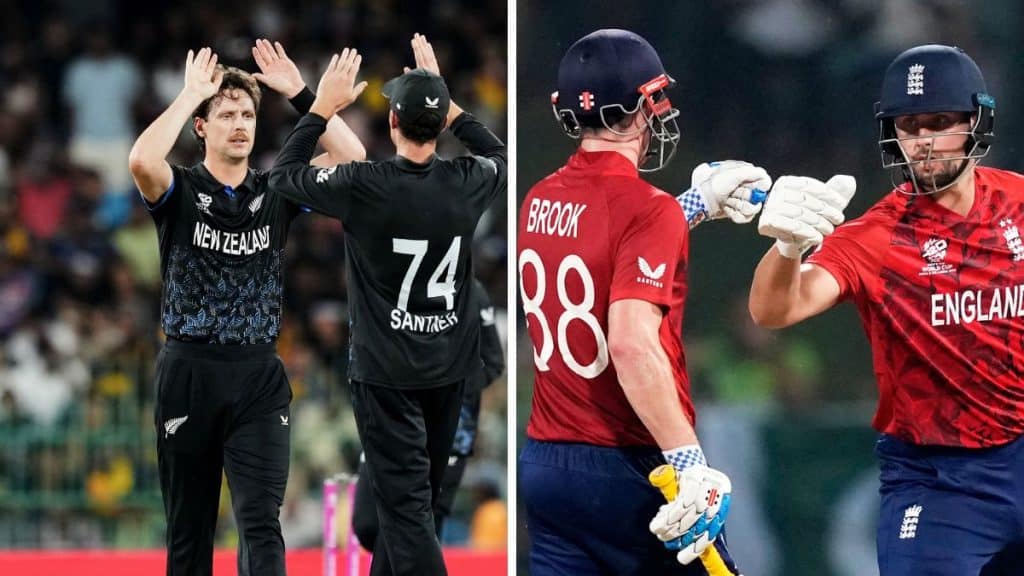
New Zealand entered the 2026 ICC T20 World Cup looking to redeem themselves after a disappointing group stage exit in 2024. The Black Caps qualified from Group D with three wins from four matches. They beat Afghanistan, UAE, and Canada before losing to group winners South Africa. That loss was their only defeat in the group stage.
Under the captaincy of Mitchell Santner, New Zealand has built a squad designed for subcontinental conditions. The team leans heavily on spin options while maintaining a strong pace attack led by Lockie Ferguson and Matt Henry. Tim Seifert and Glenn Phillips have been in outstanding form with the bat. Both players crossed the 2,000-run mark in T20Is this year.
New Zealand sits in Super 8 Group 2 alongside Pakistan, Sri Lanka, and England. Their opening Super 8 match against Pakistan was washed out due to rain in Colombo. They face Sri Lanka next on February 25, 2026, at the R Premadasa Stadium. A win would put them in a strong position to reach the semi-finals.
New Zealand’s Strongest XI At A Glance
Here is the strongest playing 11 that New Zealand can field:
| Position | Player | Role |
|---|---|---|
| 1 | Tim Seifert | Wicketkeeper / Opener |
| 2 | Finn Allen | Opener |
| 3 | Rachin Ravindra | No. 3 Batter / Spin All-rounder |
| 4 | Glenn Phillips | Middle-order Batter / Off-spin All-rounder |
| 5 | Mark Chapman | Middle-order Batter |
| 6 | Daryl Mitchell | Middle-order Batter / Medium Pacer |
| 7 | Mitchell Santner (C) | Captain / Spin All-rounder |
| 8 | James Neesham | All-rounder |
| 9 | Matt Henry | Pace Bowler |
| 10 | Ish Sodhi | Leg Spinner |
| 11 | Lockie Ferguson | Pace Spearhead |
This XI gives New Zealand a balance across all departments. It has explosive openers in Seifert and Allen, experienced middle-order batters in Phillips and Mitchell, and a bowling attack that combines pace with spin. The squad has match-winners who can deliver under pressure in ICC tournaments.
New Zealand Full Squad For T20 World Cup 2026
Mitchell Santner (C), Finn Allen, Cole McConchie, Mark Chapman, Devon Conway, Jacob Duffy, Lockie Ferguson, Matt Henry, Daryl Mitchell, Kyle Jamieson, James Neesham, Glenn Phillips, Rachin Ravindra, Tim Seifert, Ish Sodhi.
Super 8: The Road Ahead
New Zealand sits in Group 2 for the Super 8 stage. This group features strong T20 teams with title-winning experience.
New Zealand’s Super 8 Group 2 Opponents:
- Pakistan (2009 World Champions)
- Sri Lanka (Co-hosts, 2014 World Champions)
- England (2022 World Champions)
| Date | Opponent | Venue | Result |
|---|---|---|---|
| Feb 21 (Fri) | Pakistan | Colombo (RPS) | No Result |
| Feb 25 (Tue) | Sri Lanka | Colombo (RPS) | Today |
| Feb 27 (Thu) | England | Colombo (RPS) | TBD |
Player Breakdown
Here is a detailed breakdown of each player in New Zealand’s strongest playing XI.
1. Tim Seifert (Wicketkeeper / Opener)
Tim Seifert is the standout performer for New Zealand in this tournament. The 31-year-old wicketkeeper-batter has scored 173 runs in four matches at a strike rate of 167.96. He sets the tone for New Zealand’s batting with aggressive starts in the powerplay.
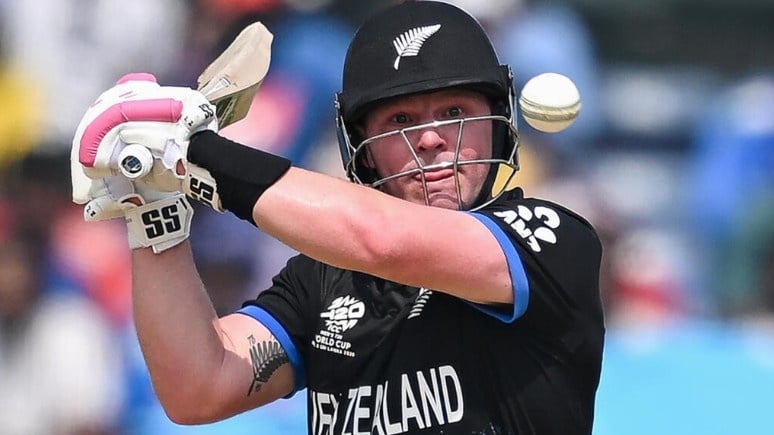
Against Afghanistan, Seifert smashed 65 off 42 balls and won the Player of the Match award. He crossed the 2,000-run milestone in T20Is during that innings. Against UAE, he delivered a high-octane knock of 89 off 42 balls that powered New Zealand to a comprehensive victory.
Seifert’s ability to take on spin is a key strength. He uses his feet well and plays the sweep shot effectively. His keeping skills are reliable, and he provides a steady presence behind the stumps. With 276 runs at an average of 39.42 in recent T20Is, he is in the form of his life.
2. Finn Allen (Opener)
Finn Allen opens the batting alongside Seifert and provides explosive starts. The 26-year-old right-hander returned to the squad after recovering from finger and hamstring injuries. Since 2024, Allen has scored over 500 T20I runs at a staggering strike rate of 189.4.
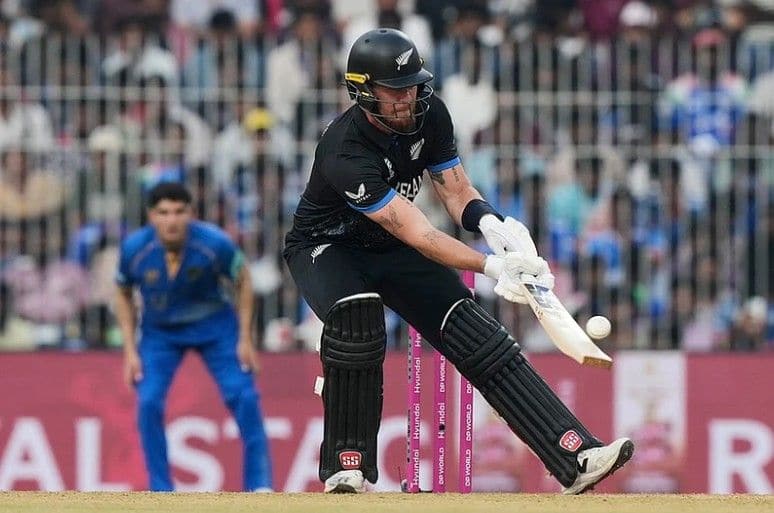
Against UAE, Allen and Seifert put on 78 runs for the opening wicket in the powerplay, including 20 runs in the sixth over. Allen plays with freedom and targets bowlers from the first ball. His strike rate puts pressure on opposition bowling attacks from the outset.
Allen struggled against South Africa, where he fell for 31 after a promising start. However, his natural attacking game makes him a threat on any given day. He can change matches in the powerplay if he gets going.
3. Rachin Ravindra (No. 3 Batter / Spin All-rounder)
Rachin Ravindra bats at number three and provides stability in the middle order. The left-handed batter plays a more measured role compared to the explosive openers. Against Canada, he scored an unbeaten 59 runs alongside Glenn Phillips to chase down 174 with ease.
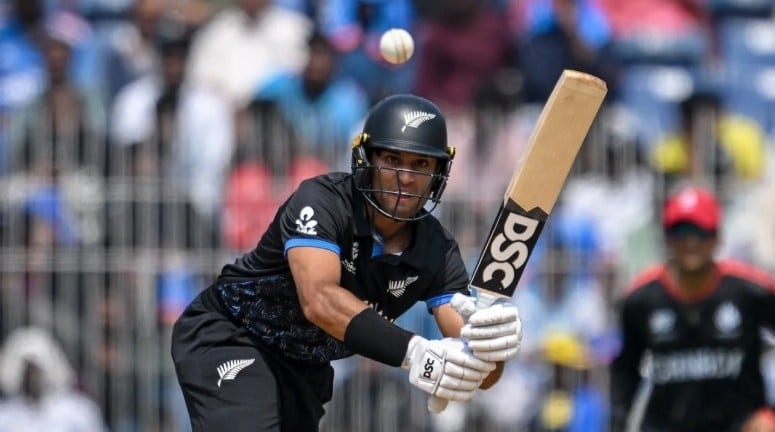
Ravindra also bowls slow left-arm orthodox spin and can chip in with useful overs when needed. His ability to rotate strike in the middle overs and accelerate later gives New Zealand flexibility in their batting order. He is comfortable against both pace and spin.
The 25-year-old has grown into a key player for New Zealand across all formats. He played a crucial role in their Champions Trophy 2025 final appearance against India. His composure under pressure makes him ideal for the number three position in knockout cricket.
4. Glenn Phillips (Middle-order Batter / Off-spin All-rounder)
Glenn Phillips is one of the most destructive middle-order batters in world cricket. The 29-year-old right-hander has scored 295 runs in this tournament at an average of 42.14 and a strike rate of 164.80. He delivers match-winning performances when New Zealand needs them most.
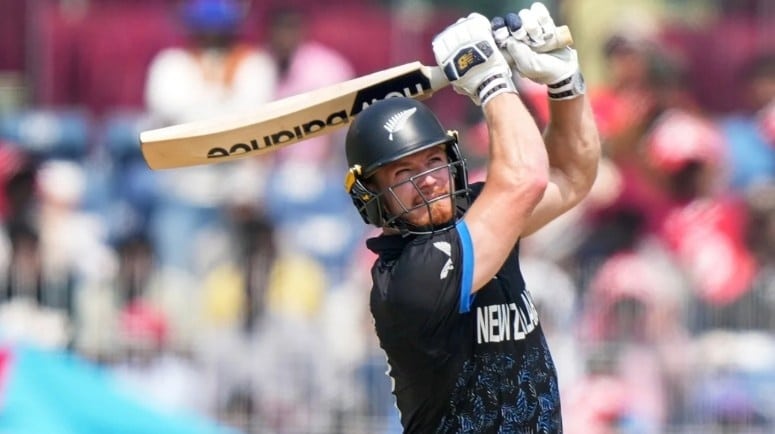
Against Canada, Phillips smashed 76 off 36 balls with four fours and six sixes. He reached his fifty in just 22 balls. His ability to hit a spin out of the park is remarkable. Against Afghanistan, he played a crucial knock of 42 runs and helped New Zealand chase 183 with 13 balls to spare.
Phillips became the fourth New Zealand cricketer to score over 2,000 runs in T20Is in January 2026. He also bowls off-spin and can field anywhere on the ground. His athleticism makes him one of the best fielders on the team. Phillips provides genuine all-round value.
5. Mark Chapman (Middle-order Batter)
Mark Chapman slots in at number five and adds left-handed variety to the middle order. The Hong Kong-born batter returned from an ankle injury and showed good form against the West Indies before the tournament, striking at a rate above 200.
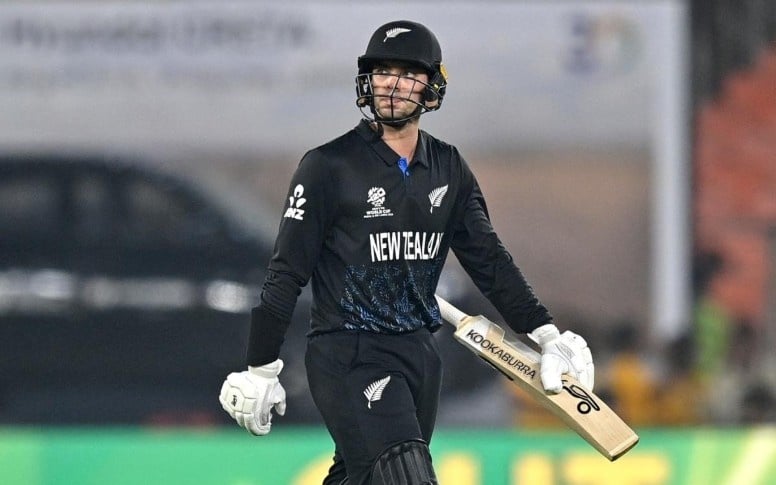
Chapman has an outstanding record against Pakistan. He takes a wicket against them every 10.5 deliveries and averages 12.77 with the ball against them. This makes him a useful option with his slow left-arm spin. Against South Africa, he top-scored for New Zealand with a gritty innings before the collapse.
His ability to play sweep shots and maneuver the ball into gaps makes him effective on subcontinental pitches. Chapman provides balance in the middle order and can accelerate in the death overs when needed.
6. Daryl Mitchell (Middle-order Batter / Medium Pacer)
Daryl Mitchell is one of New Zealand’s most experienced players in ICC tournaments. The 34-year-old right-hander has played in multiple World Cup semi-finals and finals. He played his 100th T20I during the Pakistan Super 8 match. His experience in pressure situations is invaluable.
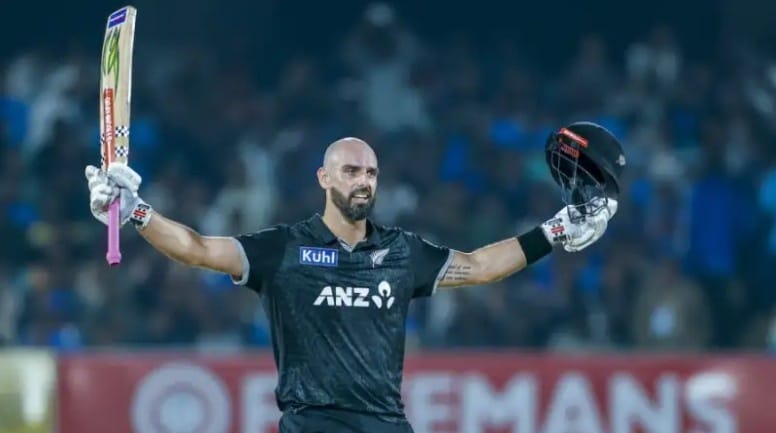
Mitchell stood in as captain against Canada when Santner was unwell. He led the team to victory and showed his leadership qualities. He plays a measured role in the middle order and can absorb pressure before accelerating.
He also bowls medium pace and can provide useful overs when conditions suit. Mitchell has seen many highs and lows with this team. His calm approach and big-match temperament make him a crucial member of the squad.
7. Mitchell Santner (Captain / Spin All-rounder)
Mitchell Santner is the captain and the leader of this New Zealand team. The 33-year-old left-arm orthodox spinner has played 122 T20Is and picked 130 wickets at an average of 22.89. This is his ninth senior ICC global event, showing his vast experience on the big stage.
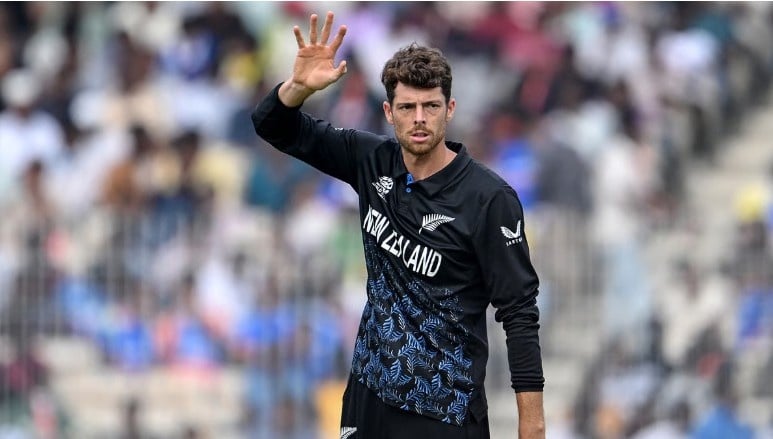
Santner missed the Canada match due to illness but returned for the Super 8 stage. He anchors the spin bowling attack and controls the middle overs with his accurate left-arm spin. His economy rate in T20Is is among the best for New Zealand spinners.
With the bat, Santner has scored 848 runs, including two fifties. He can contribute useful runs in the lower order. His biggest strength is tactical awareness. He reads the game well and makes smart bowling changes. Santner creates match-ups that favor New Zealand.
8. James Neesham (All-rounder)
James Neesham provides New Zealand with a genuine pace-bowling all-rounder. The 35-year-old left-handed batter can hit big at the death and bowl useful medium pace. His experience in ICC tournaments adds depth to the squad.
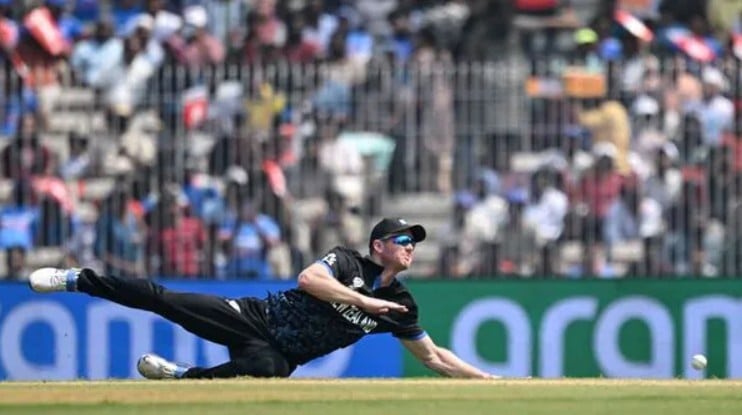
Neesham played a memorable role in New Zealand’s T20 World Cup 2021 semi-final victory over England. His ability to finish games under pressure makes him a valuable asset. He bowls at the death and can execute yorkers and slower balls effectively.
His lower-order hitting adds insurance if the top order fails. Neesham has played franchise cricket around the world and brings a wealth of experience to this squad.
9. Matt Henry (Pace Bowler)
Matt Henry is a key member of New Zealand’s pace attack. The 33-year-old right-arm fast bowler has taken 7 wickets in eight matches this tournament with an economy rate of 9.29. He swings the new ball and provides early breakthroughs in the powerplay.
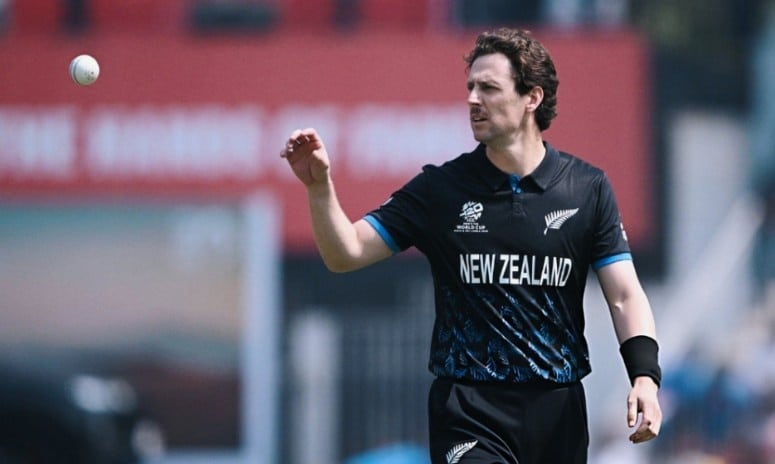
Henry returned from a calf injury for this World Cup. He may take short-term paternity leave during the tournament as his partner is expecting a child. When available, he gives New Zealand a reliable new-ball option who can also bowl at the death.
His ability to hit good lengths consistently makes him effective on subcontinental pitches, where pace off the ball can be just as dangerous as raw speed.
10. Ish Sodhi (Leg Spinner)
Ish Sodhi is New Zealand’s second-highest wicket-taker in T20Is and their specialist leg-spinner. The 32-year-old has reunited with Santner a decade after they first played together in the 2016 T20 World Cup in India. Their spin partnership is well-established and experienced.
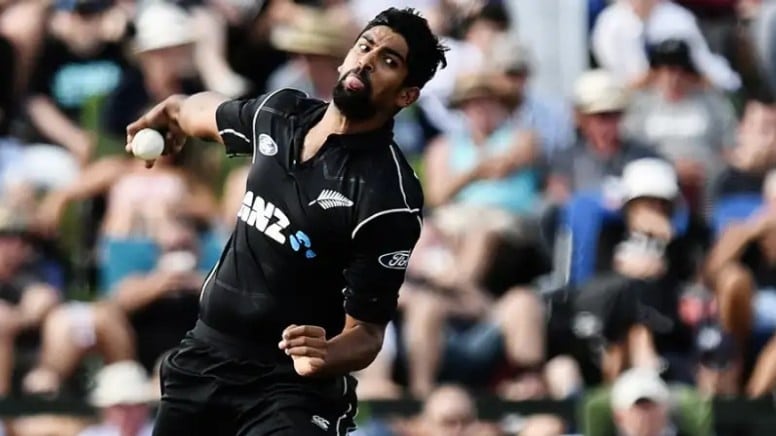
Sodhi bowls a mix of leg-spin, googlies, and top-spinners. He attacks the stumps and forces batters to take risks. On subcontinental pitches that offer turn, he can be a match-winner. He returned to the playing XI for the Pakistan Super 8 match.
His role is to take wickets in the middle overs and break partnerships. Sodhi has performed well in previous ICC tournaments and knows how to handle pressure situations.
11. Lockie Ferguson (Pace Spearhead)
Lockie Ferguson is New Zealand’s pace spearhead. The 34-year-old right-arm fast bowler generates express pace and sharp bounce that troubles batters on any surface. He returned from a calf injury and was named in the Super 8 playing XI against Pakistan.

Ferguson went home for the birth of his first child during the group stage and missed the Canada match. His ability to combine raw pace with sharp control makes him a genuine wicket-taking threat. He bowls fast in the powerplay and at the death.
His pace regularly touches 145-150 km/h, which is rare in world cricket. Ferguson provides New Zealand with a genuine strike bowler who can break partnerships at any stage of the innings. His return significantly strengthens the bowling attack.
More Related Topics:
Final Word: New Zealand Eyes Semi-Final Spot
New Zealand has all the ingredients to reach the semi-finals. They have explosive batters in Seifert and Phillips, experienced campaigners in Mitchell and Neesham, and a bowling attack that can adapt to conditions. The return of Ferguson and Sodhi strengthens their options for Sri Lankan pitches.
The Black Caps were finalists in 2021 and semi-finalists in 2022. They know how to perform in ICC tournaments. Their only concern is the switch of venue from India to Sri Lanka, where spin will play a bigger role. But with Santner, Sodhi, Phillips, and Ravindra, they have enough spin options to compete.
The washout against Pakistan means they have one point from one match. They need results in their remaining two games against Sri Lanka and England. A victory against Sri Lanka would put them in a strong position for semi-final qualification.
If this XI plays to its potential, New Zealand will be very difficult to beat. Pakistan, Sri Lanka, and England will all face a tough challenge against a team that has the experience, balance, and firepower to go deep in this tournament. The Black Caps are ready to make a statement.