The Indian Premier League began in 2008 and grew into the biggest T20 league in the world. Over the years, some teams have lifted the trophy multiple times, while others have struggled to find their footing season after season.
In IPL 2025, Royal Challengers Bengaluru (RCB) finally ended an 18-year wait by winning their first-ever title, beating Punjab Kings by just 6 runs in the final. Punjab Kings reached the final but fell short again, still hunting their maiden trophy. These stories of near-misses and repeated disappointments define what it means to be an unsuccessful IPL team.
This article looks at the teams that have struggled the most since the IPL started, what went wrong for them, and what they can do to turn things around.
Most Unsuccessful Teams in IPL History
Here is a quick look at the teams with the lowest win rates among sides that have played throughout or for most of the IPL’s history:
| Team | Span | Matches | Won | Lost | Titles |
|---|---|---|---|---|---|
| Delhi Capitals | 2008–2025 | 266 | 118 | 140 | 0 |
| Punjab Kings | 2008–2025 | 263 | 119 | 139 | 0 |
| Royal Challengers Bengaluru | 2008–2025 | 271 | 132 | 132 | 1 (2025) |
| Rajasthan Royals | 2008–2025 | 236 | 114 | 115 | 1 (2008) |
| Sunrisers Hyderabad | 2013–2025 | 196 | 93 | 98 | 1 (2016) |
1. Delhi Capitals (Formerly Delhi Daredevils)
Delhi Capitals represent India’s capital city, yet they remain the only original franchise never to reach an IPL final. Out of 266 matches, they have won just 118, giving them a win percentage of around 44%. That makes them the least successful team in terms of results among all sides that have been part of the league since the start.
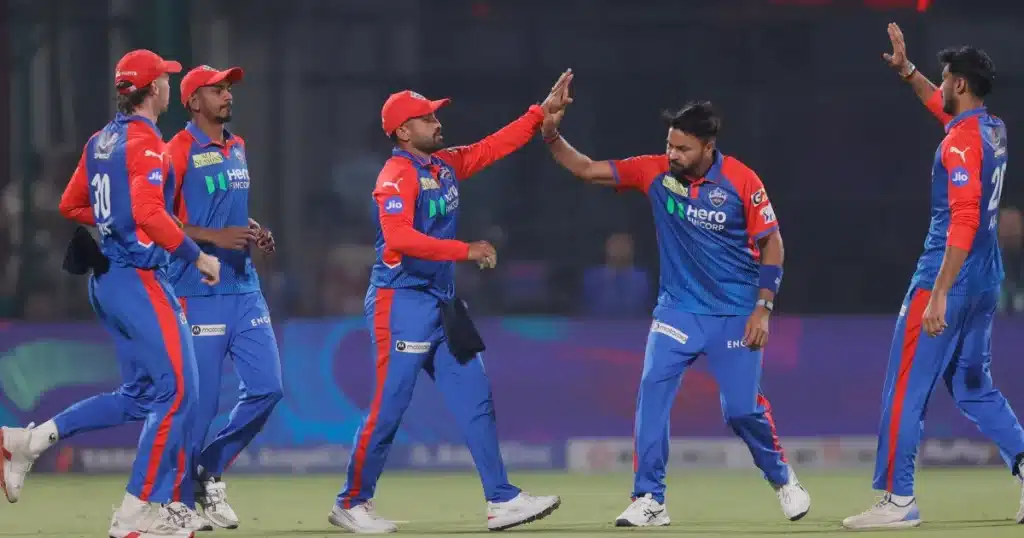
The team’s problems stem from a lack of planning. They changed coaches and captains too often and never settled on a clear style of play. This constant reshuffling meant players never found consistent roles, and the team kept starting from scratch every few seasons.
Key low points:
- In 2011, they finished last in the standings, winning just 4 out of 14 matches. In 2013, they finished last again, with only 3 wins. Between 2014 and 2018, they failed to qualify for the playoffs in five straight seasons. That run of five consecutive early exits is one of the longest losing streaks any IPL franchise has had.
- The team did show improvement around 2019 and 2020 under Shreyas Iyer’s captaincy, but they fell away again in the following seasons and never reached the final.
2. Punjab Kings (Formerly Kings XI Punjab)
Punjab Kings are the only original IPL team yet to win the title, a record that stings even more after their near-miss in IPL 2025. They have played 263 matches and won 119, giving them a win rate of around 45%.
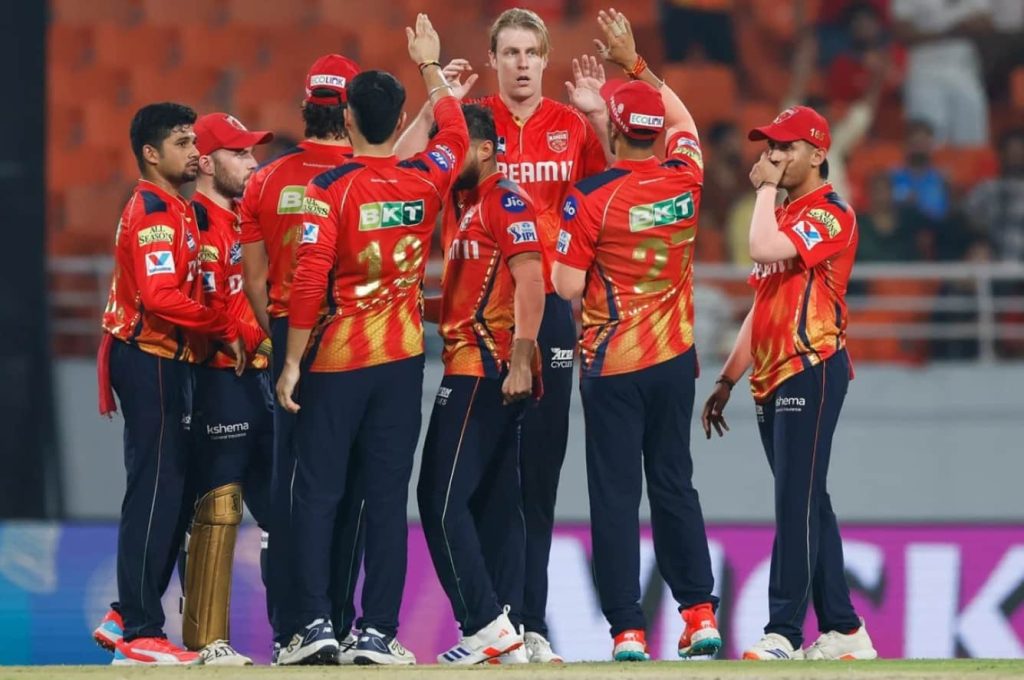
The core issue for Punjab has always been balance. The team has relied too heavily on one or two match-winners in any given season. When players like KL Rahul, Chris Gayle, or Glenn Maxwell fired, Punjab looked like title contenders. When those players had a quiet run, the team had nothing to fall back on.
Auction decisions have also hurt them. Punjab often spent big on a few marquee names and ended up with a thin squad that could not handle injuries or loss of form. Season after season, the core group changed, and the team never built the kind of chemistry that sustained franchises need.
Key low points:
- In 2014, they reached the final for the first time but lost to Kolkata Knight Riders. In 2018, they started the season strongly but collapsed in the second half, missing the playoffs. Their most painful moment came in IPL 2025, when they reached the final again after 11 years, only to lose to RCB by 6 runs, falling just short of the title they had chased since 2008.
- Punjab Kings remain the only team in IPL history to have appeared in a final without ever winning the tournament.
3. Royal Challengers Bengaluru
For most of their history, RCB stood as the symbol of IPL underachievement. They had some of the biggest names in cricket, including Virat Kohli, AB de Villiers, and Chris Gayle, yet went 17 seasons without a title. Out of 271 matches, they won 132, a 48.7% win rate that placed them in the bottom half of the table.
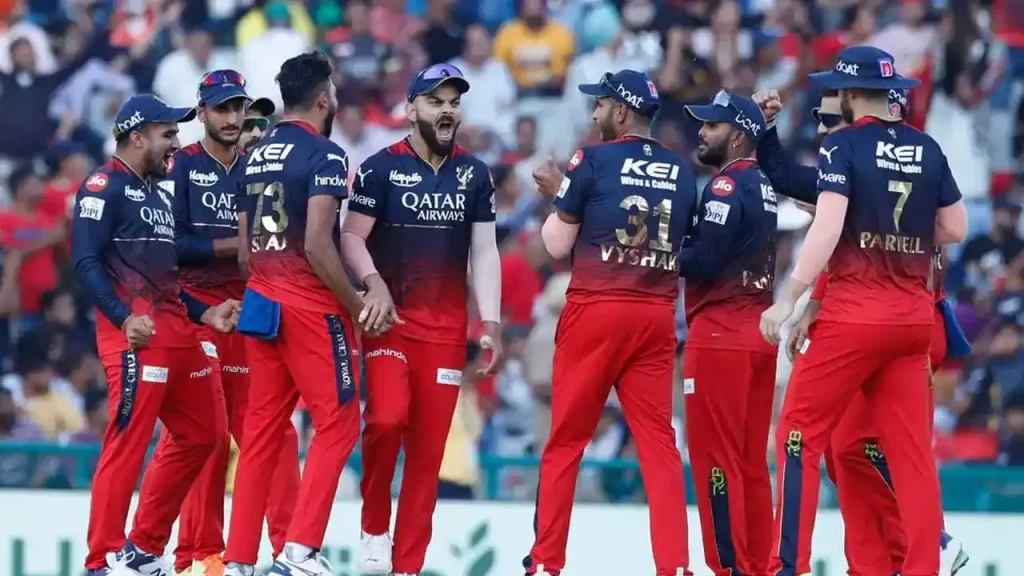
The main problem for RCB was imbalance. Their batting lineup was world-class, but their bowling attack was consistently weak. When they failed to take wickets at key moments in knockout games, even big scores were not enough. They also made it to the final three times, in 2009, 2011, and 2016, and lost each time, which added to the sense that the team could not win when it mattered most.
The turn-around:
In IPL 2025, RCB finally got it right. Under the captaincy of Rajat Patidar, the team built a more balanced squad with better bowling options. They finished second in the league stage, beat Punjab Kings in Qualifier 1, and then beat them again in the final. Virat Kohli scored 43 runs in the final, and Krunal Pandya took 2 wickets for just 17 runs to seal the win. RCB won by 6 runs to claim their first-ever IPL title after 18 years.
While RCB has now broken their title drought, their long history of near-misses still earns them a place on this list.
4. Rajasthan Royals
Rajasthan Royals started the IPL story in the best way possible. They won the very first IPL title in 2008 under Shane Warne’s leadership. That team punched well above its weight, mixing smart cricket with young Indian talent and experienced overseas players.
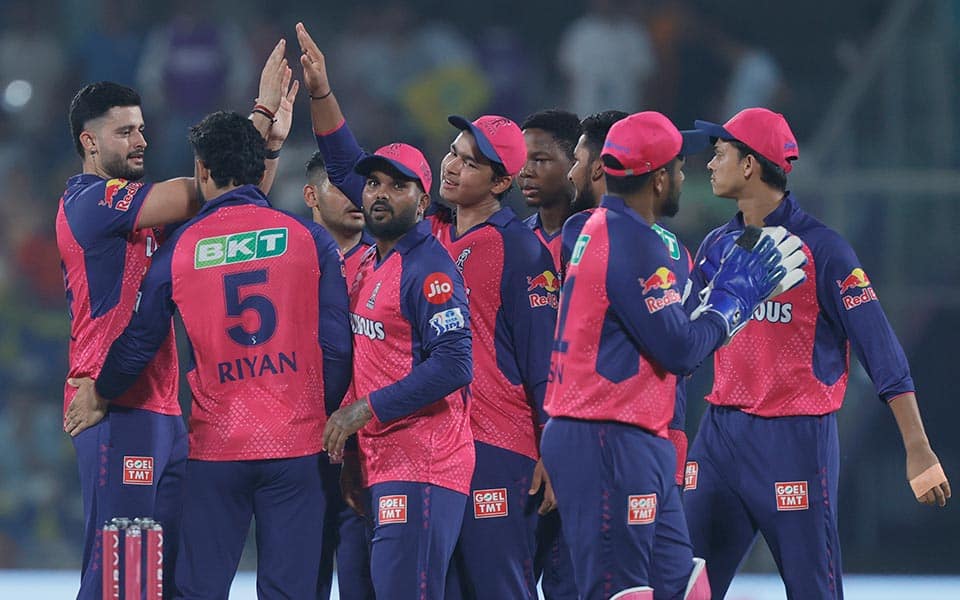
But they could not sustain that success. After Warne stepped down, the team went through multiple captains and repeated squad overhauls. They were also suspended for two seasons in 2016 and 2017 due to an off-field controversy, which broke whatever momentum they had built.
Out of 236 matches, they have won 114, a win rate of around 48%. They reached another final in 2022 but lost to Gujarat Titans.
Key struggles:
Rajasthan regularly depended too much on overseas players. When those players were unavailable or out of form, the team had little to fall back on. They also struggled to develop a reliable lower-middle order, which cost them in close matches.
5. Sunrisers Hyderabad
Sunrisers Hyderabad joined the IPL in 2013 after replacing Deccan Chargers and won their only title in 2016 under David Warner’s captaincy. Since then, they have not come close to repeating that success.
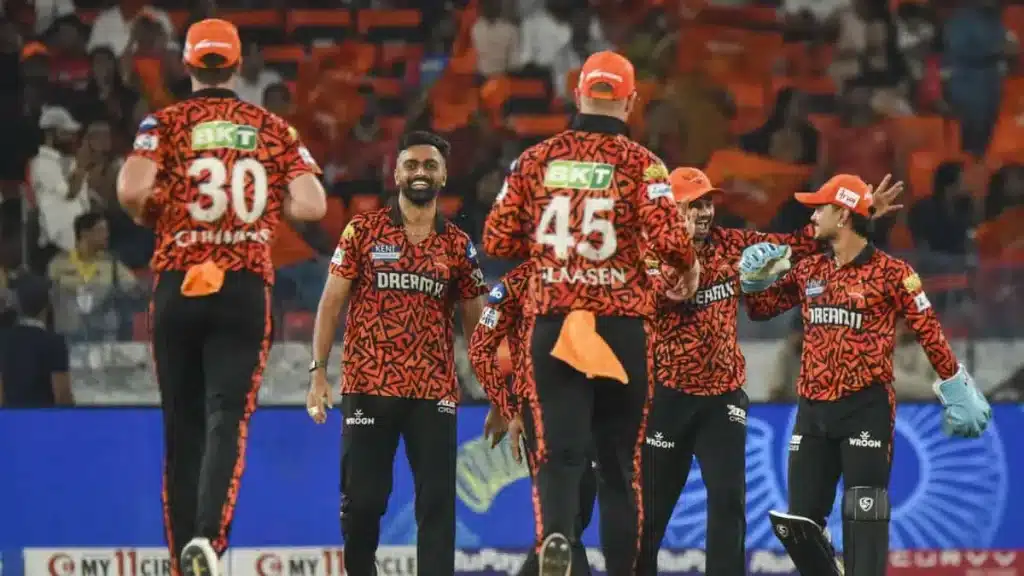
Out of 196 matches, they have won 93, a win rate of just under 47.5%. The team has had star players over the years, but has struggled with inconsistent batting and an overreliance on a few key players.
Their 2024 season was an exception: they reached the final but lost to the Kolkata Knight Riders. In IPL 2025, they had a disappointing campaign and failed to reach the knockout stages.
Key struggles:
SRH has often had a strong bowling unit but a fragile batting lineup. The team has struggled away from home, suggesting they were too reliant on pitch conditions that suit their bowlers.
Win Percentages of All Current IPL Teams
Here is a broader look at how all active IPL teams compare:
| Team | Span | Matches | Won | Lost | Win % |
|---|---|---|---|---|---|
| Gujarat Titans | 2022–2025 | 60 | 37 | 23 | 61.66% |
| Chennai Super Kings | 2008–2025 | 253 | 142 | 108 | 56.12% |
| Mumbai Indians | 2008–2025 | 277 | 151 | 122 | 54.51% |
| Lucknow Super Giants | 2022–2025 | 58 | 30 | 27 | 51.72% |
| Kolkata Knight Riders | 2008–2025 | 265 | 135 | 124 | 50.94% |
| Rajasthan Royals | 2008–2025 | 236 | 114 | 115 | 48.30% |
| Royal Challengers Bengaluru | 2008–2025 | 271 | 132 | 132 | 48.70% |
| Sunrisers Hyderabad | 2013–2025 | 196 | 93 | 98 | 47.44% |
| Punjab Kings | 2008–2025 | 263 | 119 | 139 | 45.24% |
| Delhi Capitals | 2008–2025 | 266 | 118 | 140 | 44.36% |
Chennai Super Kings and Mumbai Indians sit at the top, with five titles each. Gujarat Titans, despite joining only in 2022, already have the best win percentage, reaching two finals in their first two seasons.
Why Do Teams Keep Struggling?
Most unsuccessful IPL teams share a few common problems.
- Poor auction planning is the biggest one. Teams often spend too much on one or two big-name players, leaving little budget for a balanced squad. A team that bets everything on one player cannot handle injuries or a loss of form.
- Frequent leadership changes also hurt. When coaches and captains keep changing, the team never builds a clear identity. Players do not know their roles, and the strategy shifts too often for any real culture to take hold.
- Overdependence on overseas players has been another recurring issue. Teams that rely heavily on foreign stars struggle when those players are unavailable for international duty or lose form during the tournament.
- Neglecting local talent compounds the problem. Teams that do not invest in young Indian players end up with shallow squads. When one or two players fail, no one is ready to step in.
What Can These Teams Do Differently?
The answer for struggling IPL teams is not always about spending more money. Often, it is about spending it smarter.
Teams that have turned their fortunes around, like Mumbai Indians or Chennai Super Kings, focused on building a core group of players and keeping them across seasons. That continuity builds trust and understanding among players, making a real difference in high-pressure games.
Data-driven selection has also become more important. Teams that use performance data to spot which players suit specific conditions or opposition lineups tend to make better decisions at the auction table.
Investing in youth development is the long game. Teams that scout and develop young players early build a pipeline of talent, reducing their reliance on expensive overseas stars.
Finally, fan engagement matters beyond just results. Teams that stay connected with their supporters during tough seasons retain goodwill that can help rebuild over time.
Suggested Reads:
Conclusion: DC And PBKS Are Unsuccessful IPL Teams!
Delhi Capitals and Punjab Kings stand out as the most unsuccessful teams in IPL history. Both have been in the league since 2008 and have yet to win a title. Delhi has never even reached a final. Punjab has reached two finals, in 2014 and 2025, and lost both.
RCB spent 18 years on this list before finally breaking through in 2025. That story shows that even long-running disappointment can end. But it took real changes in squad balance and leadership to make it happen.
For Delhi and Punjab, the lesson is the same. Short-term thinking at the auction table and constant leadership changes will only continue the cycle. A long-term plan, a stable core group, and better use of young Indian talent offer the clearest path out of the bottom of the IPL table.