The Board of Control for Cricket in India (BCCI) is currently finalizing the schedule for the 19th season of the Indian Premier League. Recent reports indicate that the tournament start date might move from March 26 to March 28, 2026. While a two-day shift seems small, it highlights the complex planning required for such a massive sporting event.
The primary reason for this potential delay involves the upcoming state assembly elections. West Bengal, Tamil Nadu, Kerala, Puducherry, and Assam are all scheduled to hold elections during the first half of 2026. Organizing an IPL match requires thousands of security personnel and local police officers. Since these officers will be busy managing polling stations and maintaining order during the elections, they cannot provide the necessary security at cricket stadiums. The BCCI must coordinate with various state governments to ensure that match dates do not clash with local voting days.
Stadium availability is another significant hurdle for the organizers. India is hosting the Men’s T20 World Cup just before the IPL begins. That tournament concludes on March 8, leaving very little time for stadium staff to prepare. Five major venues across the country will host World Cup matches. These grounds need a cooling-off period to repair the playing pitches and change all the branding from the international tournament to the IPL sponsors.
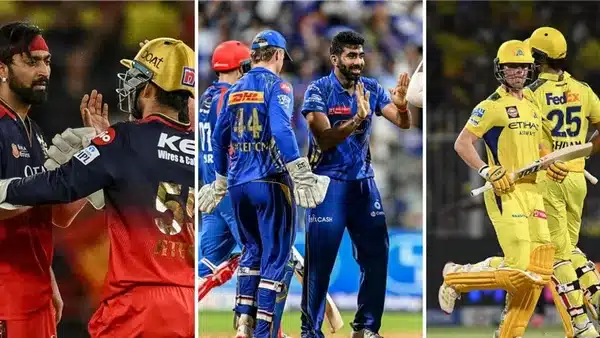
To handle these challenges, the BCCI will likely release the IPL schedule in two separate phases. This strategy allows the board to wait for the official election dates before committing to the full list of matches. If certain cities remain unavailable due to political rallies or voting, some teams, such as the Kolkata Knight Riders or Chennai Super Kings, might have to play their home games at neutral venues.
The 2026 season is expected to conclude on May 31. Despite these logistical shifts, fans can still look forward to a full window of high-intensity cricket. The BCCI aims to provide a clear and final schedule once it receives the necessary clearances from the home ministry and state authorities.