When you place a bet on a sports match or any other event, someone has to accept that wager. That person or company is called a bookmaker, often known as a bookie.
A bookmaker sets the odds for different outcomes, accepts bets from customers, and pays out winnings if those bets are successful.
They also build a small profit margin into the odds to ensure their business makes money over time. Without bookmakers, organized sports betting would not function in a structured and reliable way.
In this article, we will explain how bookmakers work, how they make profit, and whether they are legal.
What Is Bookmaker In Cricket: Key Takeaways
- Bookmakers set odds and manage risk to ensure profitability across all betting outcomes.
- They offer a range of cricket betting markets, from match winners to player performances.
- Understanding how bookmakers operate is crucial for making informed betting decisions.
What is a Mini Bookmaker in Betting?
A “mini bookmaker” is a smaller, independent betting platform. These bookies focus on specific markets or offer unique betting options. Unlike major bookmakers, they may offer more flexible odds and a personalized experience.
Mini bookmakers often:
- Offer custom betting markets.
- Provide better customer support.
- Have more flexible odds.
These bookies might not be as large as the big names, but they offer something different. Bettors looking for more personalized or niche bets might prefer them.
How Bookmakers Work
Bookmakers make their living through a built-in profit margin called the overround or vig. When they set odds for an event, they adjust the numbers slightly in their favor. This means the sum of the probabilities of all outcomes exceeds 100%. That extra percentage represents the bookmaker’s guaranteed profit.

For example, consider a coin flip. The true odds are 50-50 for heads or tails. A fair price would give you double your money on a winning bet. But a bookmaker might offer slightly lower returns on both sides. This way, no matter which side the coin lands on, they keep a small piece of every bet placed.
Bookmakers also manage their risk carefully. If too many people bet on one outcome, the bookmaker faces a large potential payout. To prevent this, they adjust their odds to attract more bets on the other side. This process keeps their exposure balanced and protects their business from big losses.
What Are The Different Types Of Bookmakers?
Different types of bookmakers cater to various preferences and betting styles in cricket, each offering unique advantages and experiences for enthusiasts looking to wager on their favorite sport.
1. Traditional Bookmakers (Brick-and-Mortar)
These are physical betting shops where people can place in-person bets on cricket matches. They’ve been around for decades, allowing bettors to interact face-to-face with bookmakers.
Traditional bookmakers often provide a social atmosphere and cater to those who prefer tangible betting slips and cash transactions. They might offer odds on local cricket tournaments or international Test matches.
2. Online Bookmakers
With the rise of the internet, online bookmakers have become increasingly popular for cricket betting. They offer convenience, a wider range of betting markets (such as top run-scorer or number of sixes), and often more competitive odds on major events such as the IPL or Cricket World Cup.
Online platforms allow bettors to place wagers from anywhere, anytime, using various devices. Many online bookmakers also offer live cricket streaming and extensive statistics to inform betting decisions.
3. In-Play Betting Providers
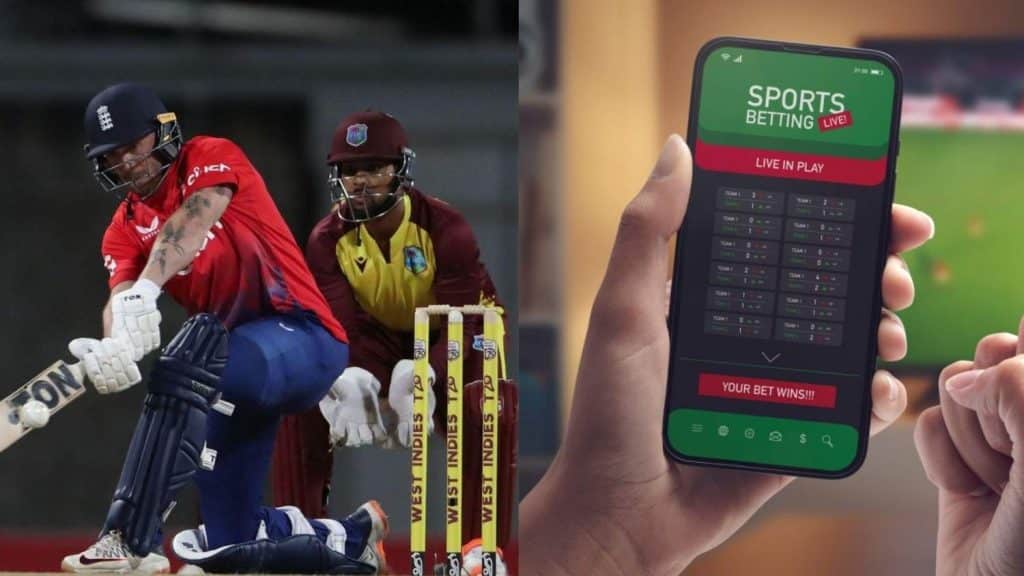
These specialized bookmakers focus on offering bets during live cricket matches. They provide dynamic odds that update in real time based on the game’s progress, such as the current run rate or wickets taken.
In-play betting allows punters to react to the unfolding action, making decisions based on current match situations, like betting on the next batsman to be dismissed or the method of the next wicket.
4. Betting Exchanges
A subset of online bookmakers, betting exchanges allow cricket fans to bet against each other rather than against the house.
This peer-to-peer model often yields better odds on popular cricket markets. Users can both back (bet for) and lay (bet against) outcomes, providing more flexibility in betting strategies for cricket matches.
What Is A Bookmaker In Cricket?
In cricket betting, a bookmaker specializes in offering odds and accepting wagers on various aspects of cricket matches and tournaments. They cover a wide range of markets, from simple match-winner bets to complex propositions on individual player performances.
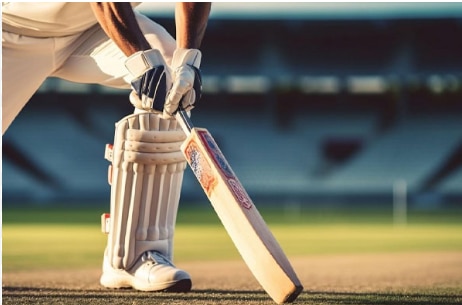
Cricket bookmakers must have in-depth knowledge of the sport, teams, and players to set accurate odds and manage their risk effectively.
How Does A Bookmaker Make Money?
Bookmakers generate profit through the “vigorish” or “vig,” a commission built into the odds.
They aim to balance the book by adjusting odds to attract equal bets across all outcomes, ensuring a profit regardless of the outcome. This margin, which can vary from 2% to over 15% depending on the market’s liquidity and the bookmaker’s pricing strategy, is their primary source of income.
What Does The Book Maker Do?
It’s crucial to understand that a bookmaker’s role is multifaceted, encompassing risk management, market analysis, and customer service in cricket betting.
Their role combines financial acumen, sports expertise, and risk management to create a balanced, profitable betting ecosystem.
Setting Odds
Setting odds is a complex process that requires bookmakers to consider multiple factors to accurately reflect the probability of various outcomes in a cricket match.
Factors Influencing Odds:
- Player performance and form
- Team statistics and historical data
- Head-to-head records
- Pitch and weather conditions
- Injuries and team selections
- Tournament context and importance
For a practical look at how odds vary across platforms, check out our daily updated list of cricket betting apps with real-time odds. It’s a helpful resource if you want to compare odds before placing your bets.
Understanding Odds Formats
Bookmakers present odds in different formats, each with its own method of expressing potential payouts and probabilities.
- Decimal Odds: Represent the total payout for a 1-unit stake (e.g., 2.50 means a 2.50-unit return for a 1-unit stake).
- Fractional Odds: Show potential profit relative to the stake (e.g., 3/1 means 3 units profit for 1 unit staked).
- American Odds: Use positive and negative numbers to indicate underdogs and favorites (e.g., +200 means 200 profit on a 100 stake, -200 means 200 stake to profit 100).
Calculating Potential Payouts
Understanding how to calculate potential winnings is crucial for bettors to assess the value of their wagers.
To calculate potential winnings:
- Decimal: Stake x Odds = Total Payout
- Fractional: Stake x (Numerator / Denominator) = Profit
- American (Positive): Stake x (Odds / 100) = Profit
- American (Negative): Stake / (Odds / 100) = Profit
Accepting Bets
Bookmakers offer various methods for placing bets to cater to different preferences and ensure accessibility.
Methods of Placing Bets with a Bookmaker
- Online: Through websites or mobile apps
- Phone: Calling in to place bets verbally
- In-person: At physical betting shops or cricket venues
Types of Bets to Place with a Bookmaker
- Single: A bet on one specific outcome
- Multiple: Combining several selections into one bet
- Accumulator: A series of bets where winnings from each are staked on the next
Managing Risk
Risk management is a crucial aspect of bookmaking, ensuring profitability and long-term sustainability.
Bookmakers use various strategies to manage their exposure:
- Balancing the book: Adjusting odds to attract equal betting on all outcomes
- Hedging: Placing bets with other bookmakers to offset potential losses
- Limiting bet sizes: Restricting the maximum stake on certain markets
- Early payout: Settling bets early to reduce potential losses
Types of Cricket Bets Offered by Bookmakers
Cricket betting offers many wagering options, catering to both casual fans and seasoned punters. Bookmakers offer markets covering various aspects of the game, from overall match outcomes to specific player performances.
Here’s an overview of the most common types of cricket bets you’ll encounter:
- Match Winner: Betting on which team will win the match.
- Total Runs: Predicting the total number of runs scored in the match or by a specific team.
- Top Batsman/Bowler: Betting on which player will score the most runs or take the most wickets.
- Method of Victory: Wagering on how a team will win (e.g., by innings, by runs, etc.).
- Individual Player Performances: Betting on specific player achievements (e.g., number of sixes, number of fours, etc.).
- Series Outcome: Predicting the overall winner of a multi-match series.
- Man of the Match/Series: Betting on who will be named the best player.
- Toss Winner: Guess which team will win the pre-match coin toss.
- First Innings Lead: Predicting which team will have a higher score after the first innings in Test matches.
How To Place A Bet With A Bookmaker In Cricket?
Whether it’s Test matches, ODIs, or T20 tournaments, understanding how to place bets safely and responsibly is crucial for anyone interested in this aspect of the sport.
Step 1: Locate and establish contact with a licensed bookmaker who operates at cricket venues or through authorized betting shops. Establish an initial relationship through proper introductions and registrations.
Step 2: Present valid identification documents as required by local betting regulations. Some bookmakers may require membership or references from existing clients.
Step 3: Discuss and understand the bookmaker’s specific terms, including minimum bet amounts, payment methods, and settlement procedures. This usually involves a face-to-face conversation.
Step 4: Review the available odds and betting markets being offered. Traditional bookmakers often display odds on boards or sheets, which may differ from online platforms.
Step 5: Verbally state your intended bet and stake amount clearly to the bookmaker. They will typically repeat your bet to confirm accuracy.
Step 6: Hand over your stake money in the agreed currency. The bookmaker will calculate and confirm your potential returns based on the current odds.
Step 7: Receive a physical betting slip that details your wager, including the event, stake, odds, and potential payout. Keep this safe as it’s required to claim winnings.
Note: Traditional bookmaking practices vary by region and venue. Always ensure you’re dealing with licensed operators and understand local betting regulations.
How Is A Bookmaker Different From A Betting Exchange?
Bookmakers and betting exchanges differ significantly in their operational models. Bookmakers set their odds and act as the counterparty to all bets, taking on the risk themselves. They make money through the built-in margin in their odds.
In contrast, betting exchanges are platforms where users can bet against each other, with the exchange acting as an intermediary. Users can back (bet for) and lay (bet against) outcomes, often resulting in more competitive odds.
Exchanges make money by charging a commission on winning bets, which commonly ranges from 2% on platforms like Smarkets to 5% on Betfair. While bookmakers offer a more straightforward betting experience, exchanges provide more flexibility and potentially better value for experienced bettors.
Key Features To Look For And Tips For Choosing A Reliable Bookmaker
You need to be aware of the ideal qualities of a bookmaker. This will help you evaluate and select a reputable cricket bookmaker in your area.
The knowledge will help you make better decisions when choosing a traditional betting partner for cricket matches.
When selecting a bookmaker for cricket betting, consider the following crucial factors that ensure a secure and professional betting experience:
- Licensing and Regulation: Ensure the bookmaker is licensed by a reputable authority to ensure fair practices and financial security.
- Competitive Odds: Compare odds across multiple bookmakers to ensure you’re getting the best value.
- Market Variety: Look for a wide range of cricket betting markets, including in-play options.
- Payment Options: Check for convenient, secure deposit and withdrawal methods with reasonable processing times.
- Operating Location: Choose a bookmaker with a convenient physical presence and an established betting shop or venue operation.
- Personal Interaction: Look for bookmakers who maintain clear communication, explain terms clearly, and demonstrate professional conduct.
- Track Record: Consider how long they’ve been operating and their history of prompt payouts and fair dealings.
- Community Standing: Seek recommendations from experienced bettors and verify their reputation within the local betting community.
Before committing, test the platform with small bets to assess its performance and user experience.
Are Bookmakers Legal?
The legality of bookmakers varies dramatically from country to country. In the United Kingdom, bookmaking operates as a fully regulated industry under the UK Gambling Commission, providing licenses, consumer protections, and government oversight.
As of 2026, regulations have tightened further with the implementation of the Digital Markets, Competition and Consumers Act 2024, introducing stricter “frictionless” financial vulnerability checks for bettors and a significant increase in remote gaming duties.
The United States took a different path for many years. Federal law restricted sports betting to just a few states until 2018. A Supreme Court decision changed everything, and now individual states can legalize and regulate their own betting markets.
As of 2026, 39 states and D.C. have since legalized sports betting in some form, though new bipartisan legislation is currently being debated in the Senate to further regulate online prediction markets.
In India, the legal landscape has become more restrictive. Following the Promotion and Regulation of Online Gaming Act 2025, a central framework now prohibits all online “money games” involving financial stakes, ending much of the previous “gray area” for online betting across the country. Only a few states like Sikkim and Meghalaya maintain limited regulated frameworks for certain games.
Suggested Reads:
Conclusion: Bookmakers Make It All Happen In Cricket Betting
Bookmakers play a crucial role in cricket betting, providing a platform for enthusiasts to engage with the sport in new ways. Understanding how bookmakers operate, set odds, and manage risk is essential for anyone looking to participate in cricket betting.
While bookmakers offer excitement and potential profits, it’s vital to bet responsibly, choose reputable operators, and stay informed about legal considerations.
As the betting landscape continues to evolve, especially with the recent 2025/2026 legal shifts in India and the UK, staying educated on local regulations is more important than ever for a safe betting experience.