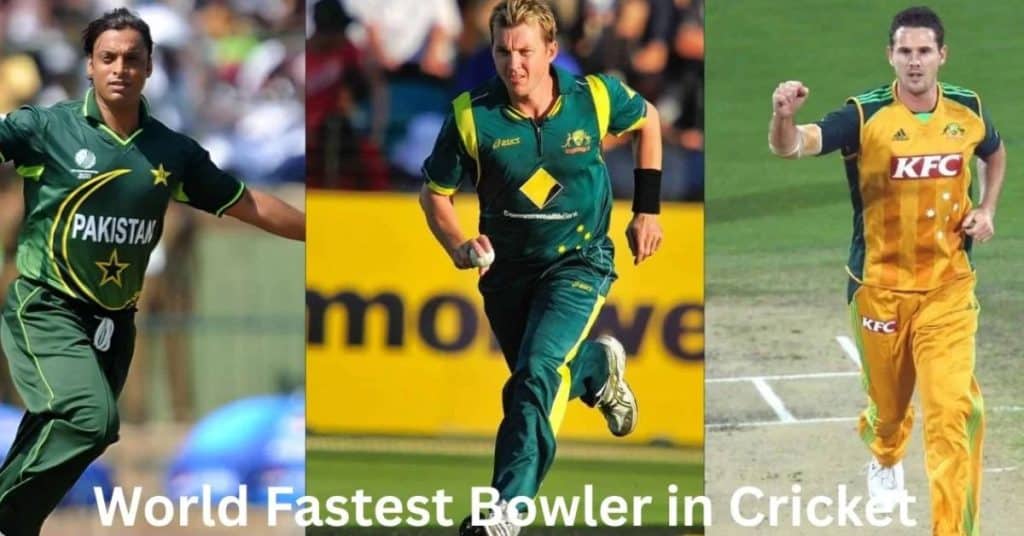
The fastest bowlers in the world list is still topped by Pakistan’s Shoaib Akhtar, whose 161.3 km/h thunderbolt at the 2003 World Cup remains untouched after more than two decades.
Fast bowling is among the most physically taxing and exciting components of international cricket. The 100 mph (160.9 km/h) barrier in speed is the absolute highest value in the sport’s history and is broken by only a few of the top pacers in the sport.
This the table below lists the fastest deliveries ever officially recorded in international cricket, includes the bowlers with their top speeds and the matches in which they delivered these record-breaking balls.
Top 10 Fastest Bowlers in the World: Quick Stats
Firstly, here is the complete list of the top 10 fastest bowlers ranked by their fastest recorded delivery. All speeds are verified against official records.
| Rank | Bowler | Country | Speed (km/h) | Speed (mph) | Year | Format | Opponent | Match Context / Venue |
|---|---|---|---|---|---|---|---|---|
| 1 | Shoaib Akhtar | Pakistan | 161.3 | 100.2 | 2003 | ODI | England | World Cup, Newlands (Cape Town) |
| 2 | Brett Lee | Australia | 161.1 | 100.1 | 2005 | ODI | New Zealand | Operational Series, Napier |
| 3 | Shaun Tait | Australia | 161.1 | 100.1 | 2010 | ODI | England | 5th ODI, Lord’s (London) |
| 4 | Jeff Thomson | Australia | 160.6 | 99.8 | 1975 | Test | West Indies | Fast Bowling Study, Perth |
| 5 | Mitchell Starc | Australia | 160.4 | 99.7 | 2015 | Test | New Zealand | 2nd Test, WACA (Perth) |
| 6 | Andy Roberts | West Indies | 159.5 | 99.1 | 1975 | Test | Australia | Perth |
| 7 | Fidel Edwards | West Indies | 157.7 | 98.0 | 2003 | Test | South Africa | Wanderers (Johannesburg) |
| 8 | Mitchell Johnson | Australia | 156.8 | 97.4 | 2013 | Test | England | 4th Ashes Test, MCG (Melbourne) |
| 9 | Mohammad Sami | Pakistan | 156.4 | 97.2 | 2003 | ODI | Zimbabwe | Sharjah |
| 10 | Shane Bond | New Zealand | 156.4 | 97.2 | 2003 | ODI | India | World Cup, Centurion |
Detailed Breakdown of the Top 10 Fastest Bowlers
Each entry below covers the fastest delivery, the match context, and the career numbers that made these pacers feared across the cricketing world.
1. Shoaib Akhtar – 161.3 km/h (Pakistan)
The Rawalpindi Express holds the record for the fastest ball ever bowled in cricket at 161.3 km/h (100.23 mph). He hit that mark against England opener Nick Knight at Newlands during the 2003 World Cup.
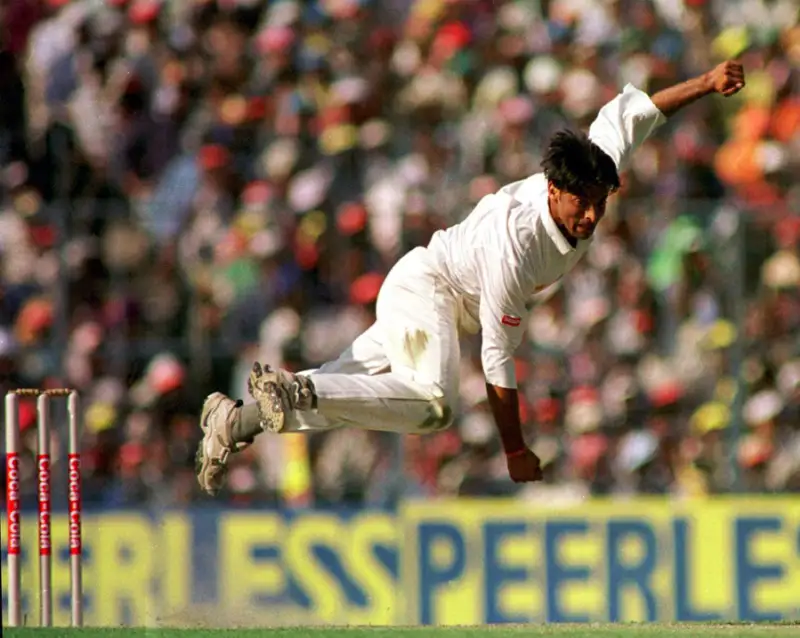
Furthermore, Akhtar finished with 178 Test wickets and 247 ODI scalps between 1997 and 2011 . Beyond the radar gun, his long run-up, slingy action, and reverse-swinging yorkers made him a nightmare on flat decks. Notably, his record has stood for over 23 years.
2. Brett Lee – 161.1 km/h (Australia)
Australian speedster Brett Lee clocked 161.1 km/h (100.1 mph) against New Zealand in Napier in 2005, becoming only the second bowler to officially break the 100 mph barrier.
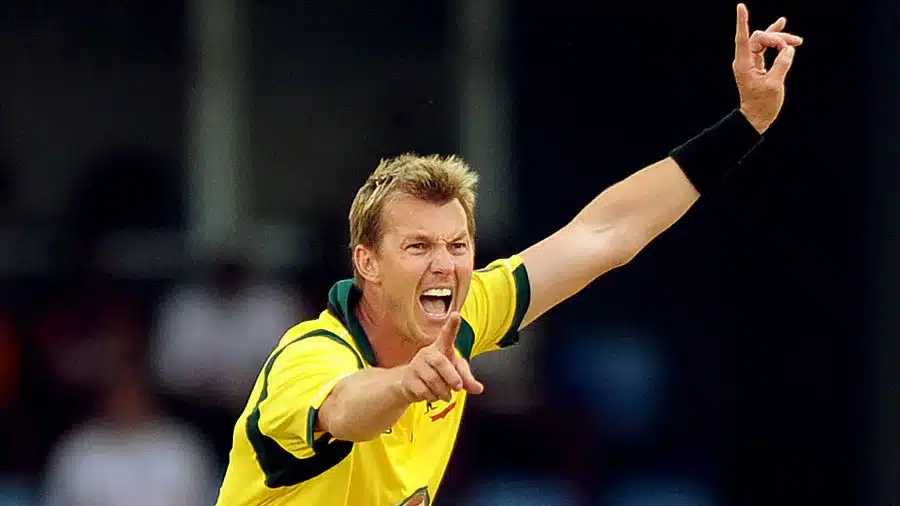
Additionally, Lee retired with 310 Test wickets, 380 ODI wickets, and two World Cup winners’ medals (2003 and 2007). His combination of sustained pace, swinging yorkers, and toe-crushing accuracy made him the most complete express pacer of his generation.
3. Shaun Tait – 161.1 km/h (Australia)
Nicknamed Wild Thing, Tait matched Brett Lee’s 161.1 km/h against England in an ODI at Lord’s in 2010. However, injuries cut his career short.
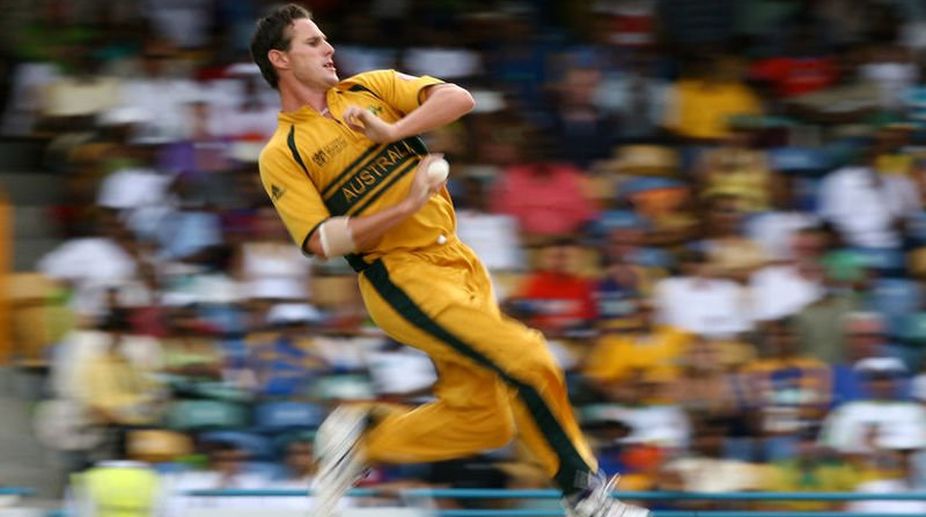
Although he played only 3 Tests, Tait grabbed 62 ODI wickets in 35 matches thanks to his unique slinging action. Moreover, he later repeated the 100 mph feat in a T20I against Pakistan in Melbourne.
4. Jeff Thomson – 160.6 km/h (Australia)
Jeff Thomson topped the speed gun at 160.6 km/h during a 1975 Test against West Indies in Perth. Notably, many historians argue he bowled even quicker, since 1970s radar technology was less reliable than today.
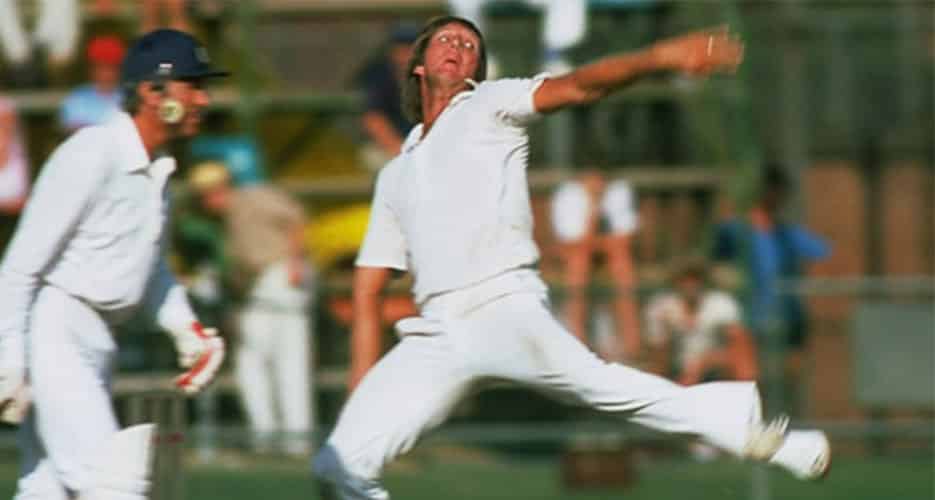
Throughout his career, Thommo claimed 200 Test wickets and 55 ODI scalps alongside 675 first-class wickets. Furthermore, Cricket Australia inducted him into their Hall of Fame in 2016. His slingshot action redefined fast bowling.
5. Mitchell Starc – 160.4 km/h (Australia)
Left-armer Mitchell Starc hit 160.4 km/h against New Zealand in the 2015 World Cup at Eden Park. Consequently, he became the fastest left-arm pacer ever recorded.
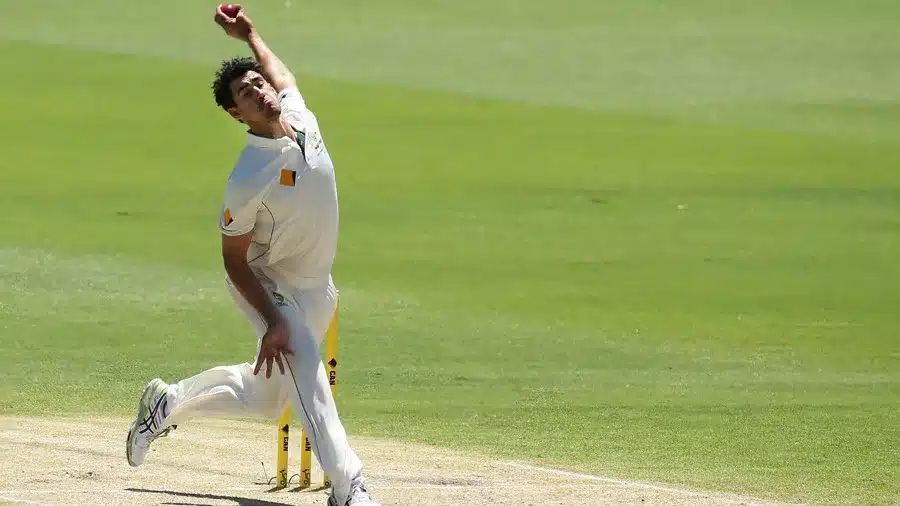
As of June 2026, Starc has racked up over 400 Test wickets and remains a key figure in Australia’s pace attack. Besides speed, his late-swinging yorkers won him the Player of the Tournament award at the 2015 and 2023 World Cups.
6. Andy Roberts – 159.5 km/h (West Indies)
Sir Andy Roberts clocked 159.5 km/h in 1975, becoming the spearhead of the legendary West Indian pace quartet. He took 7 wickets in an innings on two separate occasions.
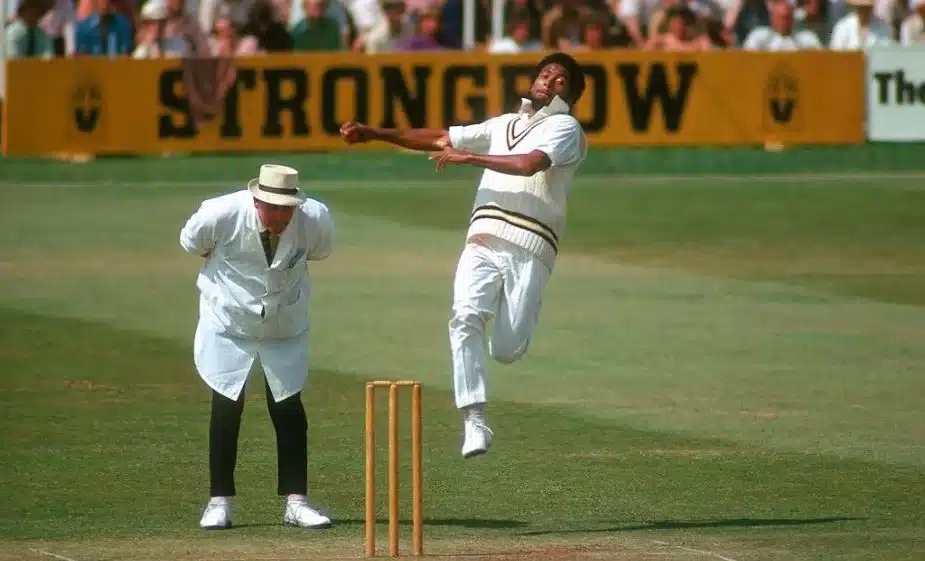
Across formats, Roberts collected 202 Test wickets and 87 ODI wickets. Specifically, he was famous for bowling two different bouncers, one quicker than the other, both delivered with identical action. Batters never picked the difference until too late.
7. Fidel Edwards – 157.7 km/h (West Indies)
Fidel Edwards bowled at 157.7 km/h against South Africa in 2003. Brian Lara himself spotted Edwards in the nets, which kick-started his international career.
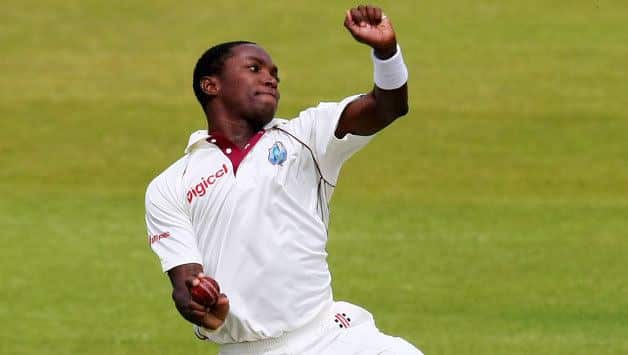
During his career, Edwards took 165 Test wickets and 60 ODI wickets. Moreover, his low-arm slinging action generated awkward bounce that caught even the best players off guard. He later played T20 leagues into his late 30s.
8. Mitchell Johnson – 156.8 km/h (Australia)
Mitchell Johnson peaked at 156.8 km/h against England during the 2013-14 Ashes, a series in which he took 37 wickets at 13.97. As a result, England were demolished 5-0.
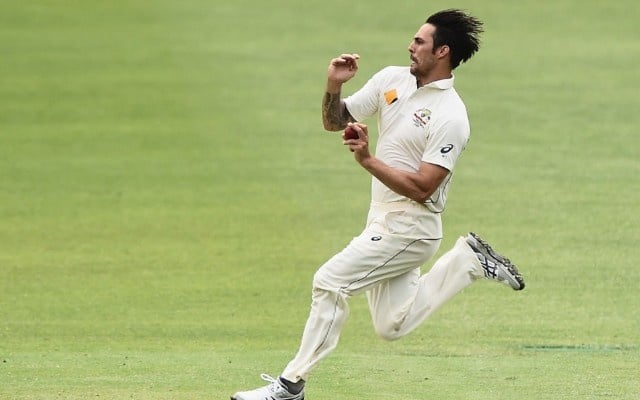
Across formats, Johnson finished with 313 Test wickets, 239 ODI wickets, and 38 T20I scalps. Additionally, he chipped in with a Test century, proving he could swing both ball and bat with serious intent.
9. Mohammad Sami – 156.4 km/h (Pakistan)
Mohammad Sami reached 156.4 km/h against Zimbabwe in Sharjah in 2003. Earlier, he announced himself with a five-wicket haul on Test debut against New Zealand.
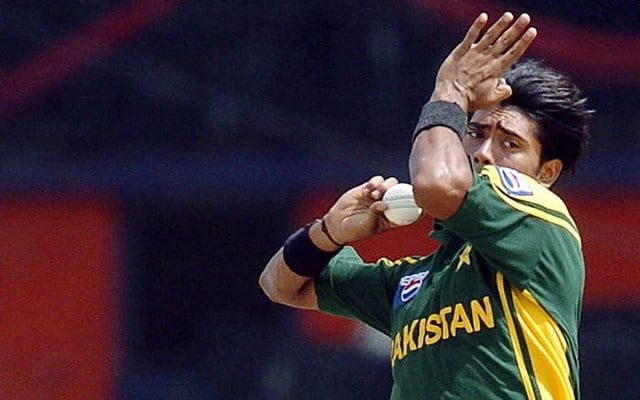
Furthermore, Sami took a Test hat-trick in just his third match against Sri Lanka. Overall, he finished with 85 Test, 121 ODI, and 21 T20I wickets. Although his career never quite matched Akhtar’s, his raw pace consistently sat in the high 150s.
10. Shane Bond – 156.4 km/h (New Zealand)
Shane Bond also clocked 156.4 km/h during the 2003 World Cup. Sadly, recurring back and stress fractures limited him to only 18 Tests in a decade-long career.

Despite the injuries, Bond claimed 87 Test wickets, 147 ODI wickets, and 25 T20I scalps at outstanding averages. Therefore, many experts still rate him among the most skilful express pacers New Zealand has ever produced.
More Suggested Topics:
Conclusion: Shoaib Akhtar’s 161.3 km/h is the Fastest Bowl in the Cricket History Currently
Even in 2026, Shoaib Akhtar’s 161.3 km/h stands as the gold standard for raw pace.
Despite the sophisticated radar technology and elite athletic conditioning in today’s cricket, Shoaib Akhtar’s 2003 record speed of 161.3 km/h remains unchallenged more than 20 years later.
Although modern pacers like Lockie Ferguson, Umran Malik, Mark Wood, and Anrich Nortje regularly touch 153-157 km/h, none has officially toppled the Rawalpindi Express.
Furthermore, four of the top five fastest bowlers in the world hail from Australia, which says plenty about the Aussie obsession with fast bowling. Until a new express paceman crosses 161.3, this list stays exactly where it is.